This year, the University of Iowa Roy J. and Lucille A. Carver College of Medicine celebrated 150 years of excellence in medical education, research and patient care. In celebration, this week The Appendix will be highlighting stories and photographs from Carver history.
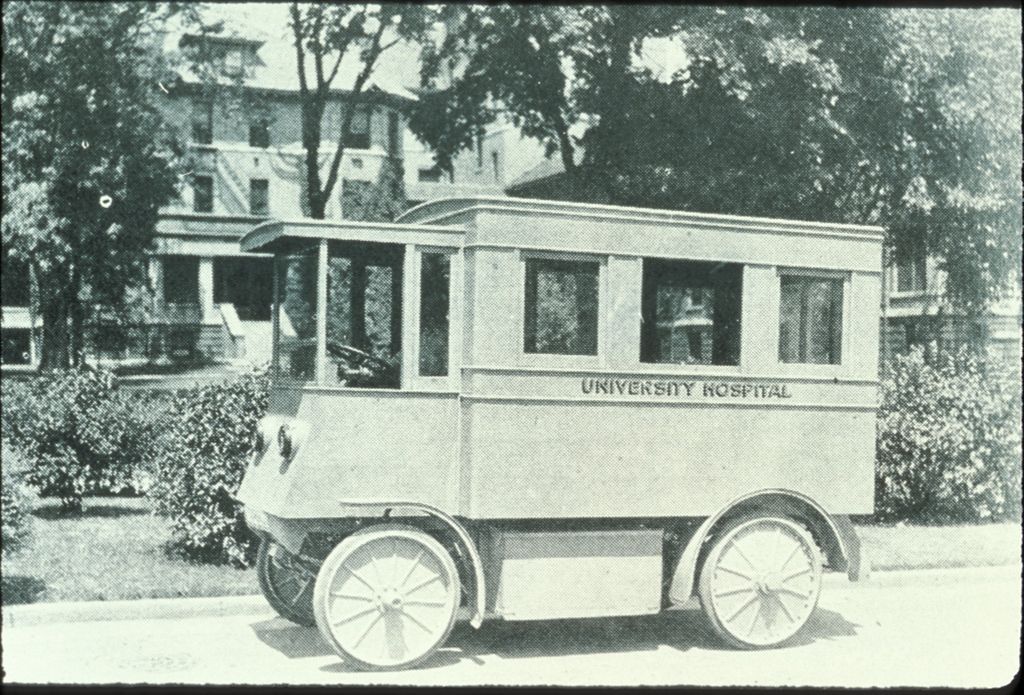
First hospital ambulance, State University of Iowa hospital, Iowa City, Iowa, 1920
“The ambulance was an electric bus built by Mr. Fisk about 1920. It was used for transportation of patients and nurses between University Hospital (now Seashore Hall) and Children’s Hospital. Most of the time it cound not get up the hills when loaded.”
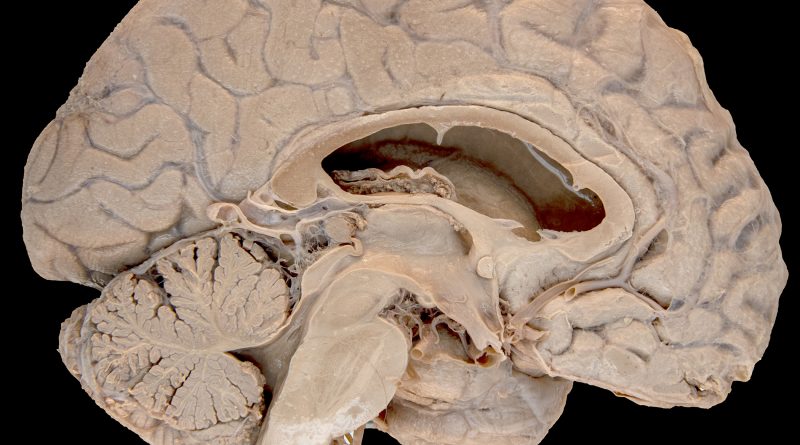
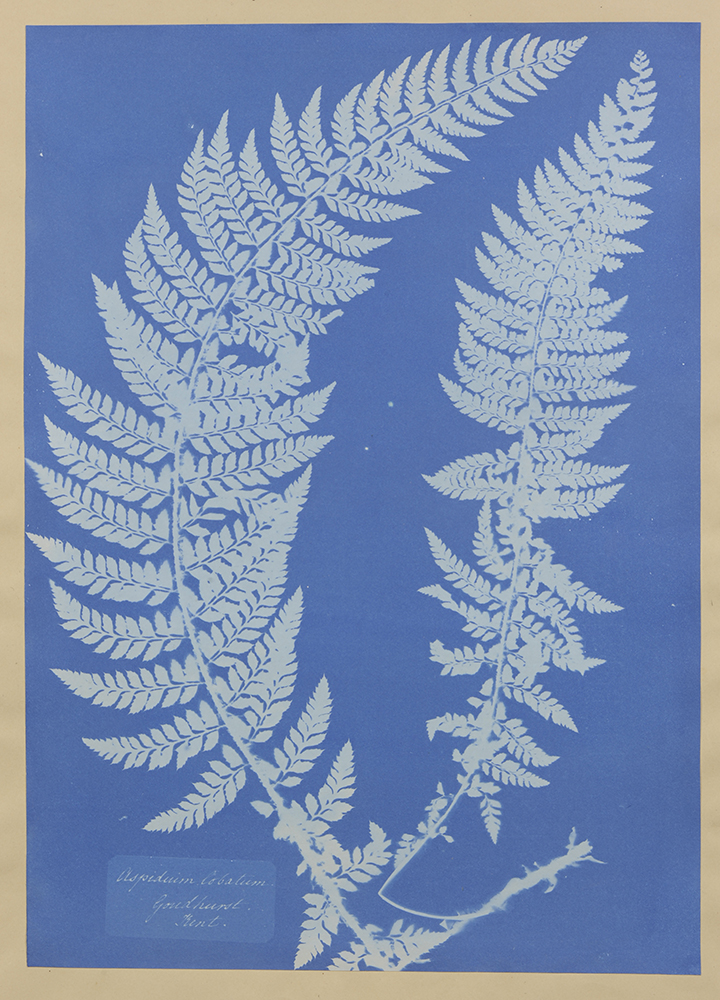
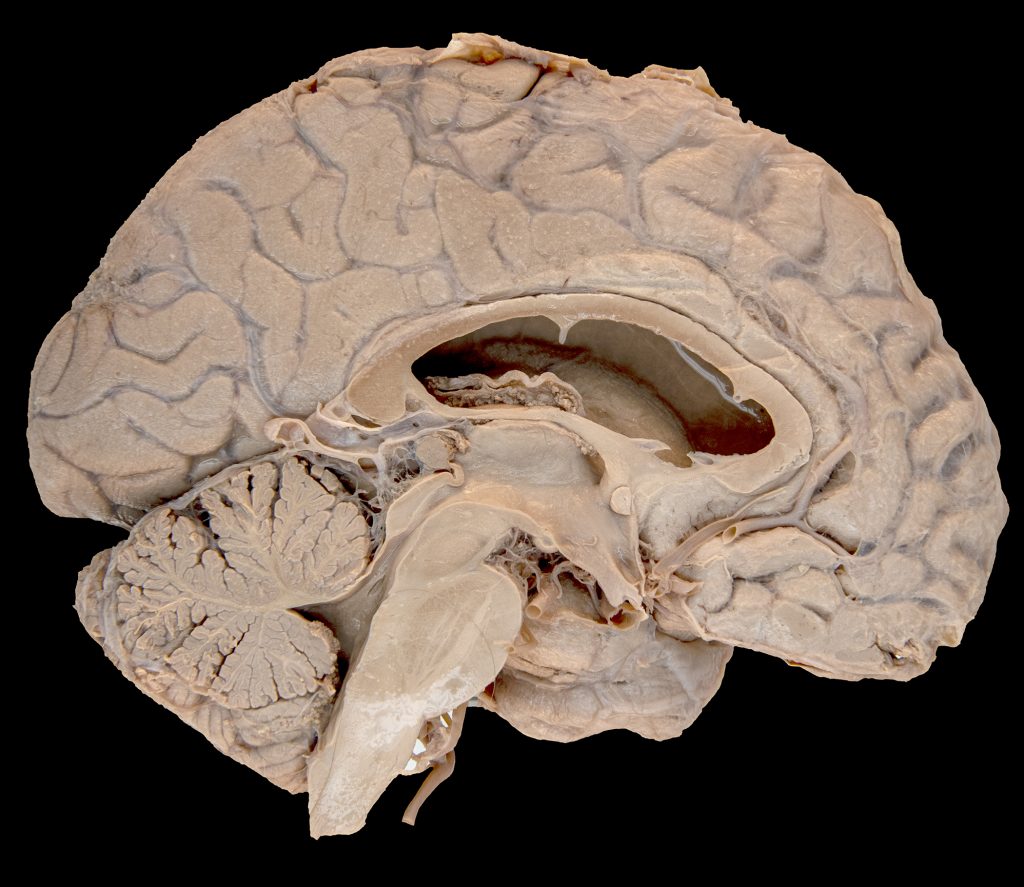
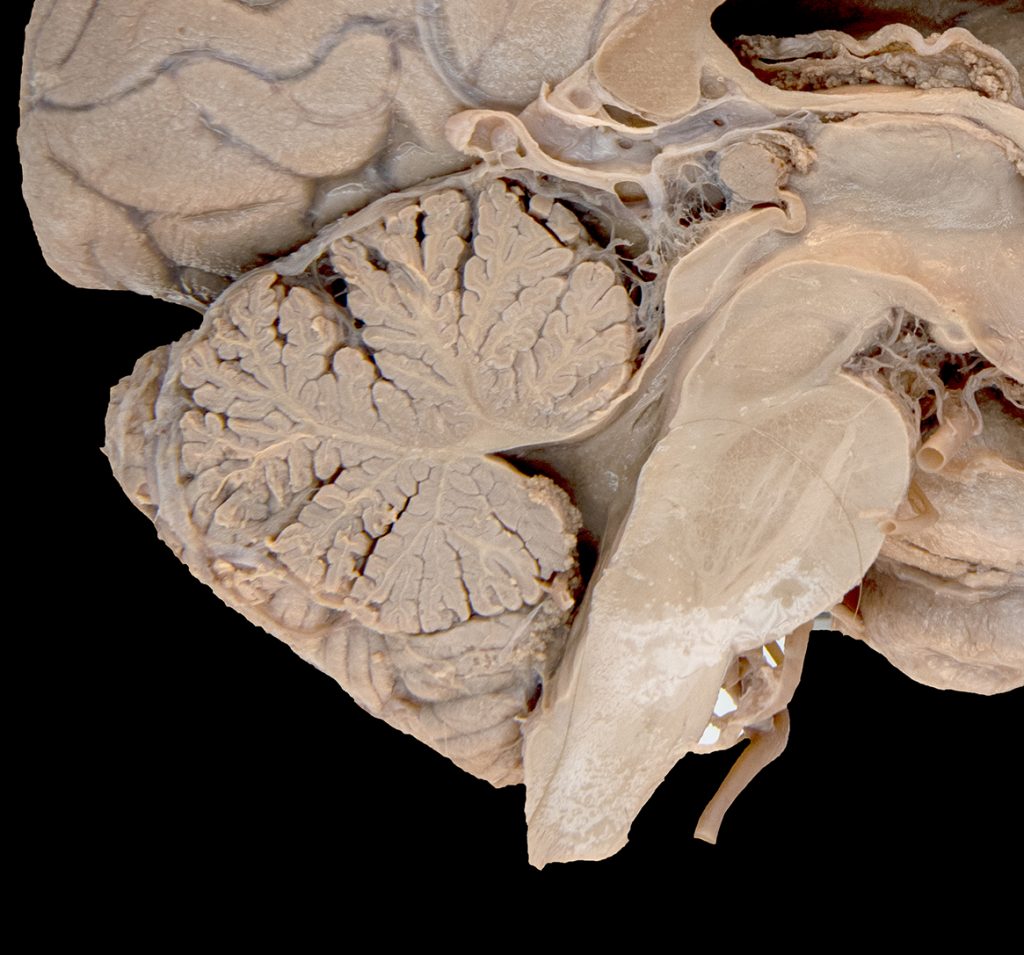
Dr. Justin Sipla teaches neuroanatomy and neuroscience to medical and graduate students at the University of Iowa. We asked him to ponder how the patterning of a cerebellum’s arbor vitae mirrors Anna Atkins’ cyanotype of a fern below.
A special thankyou to the University of Iowa Stanley Museum for collaborating with us on this project and providing us with this image.
Anna Atkins (British, 1799–1871) “Aspidium lobatum, Goudhurry, Kent,” 1851–1854 Cyanotype 13 3/4 x 9 5/8 in. (34.93 x 24.45 cm) University of Iowa Stanley Museum of Art Museum purchase, 1987.3
I watched a Netflix documentary recently about a guy who befriended an octopus while diving off the Cape of Storms (My Octopus Teacher). For me, by far the most moving footage was a moment when the octopus started “playing” with a school of fish, moving the cloud of animals this way and that with its eight tentacles, in apparent delight of the shifting patterns.
All brains really seem to do is pattern the universe, and, using whatever patterns have been established, make predictions about future patterns. That’s basically it. What is it about an encounter with symmetry that sets our brains on fire, whether octopus, human, or (I expect) otherwise?
Image courtesy of Dr. Justin Sipla
Certainly, the white matter of the cerebellum, or arbor vitae, in cross section resembles a fern, or maybe it’s better to say that a fern resembles a cerebellum. Folded cerebellar white matter is well established in cartilaginous fish, and these first appeared on the evolutionary stage some 400 million years ago in the Devonian, roughly the same time as ferns. Neither came first by much.
Most fern fronds get their shape via circinate vernation, in which new growths uncoil from a fractal spiral. The accordion-like folds of the arbor vitae come about differently. During a tightly choreographed set of developmental events, the surface area of the cerebellar cortex far outgrows the area needed to surround the output nuclei of the deep white matter. Either the cortical sheet folds extensively, or you simply can’t pack enough neurons in there to work the cerebellum’s magic. Gyrification, not circination.
Image courtesy of Dr. Justin Sipla
Structural similarities are not merely an aside. Does something even resemble something else unless a brain says it does? When you think about it, all human knowledge is really based on metaphor, brains deciding that some pattern is “like that” or “not like that in ways.” So the arbor vitae is like a fern, and the fern is like an arbor vitae. Some ferns even get their common names after this likeness, for instance the Arborvitae Fern. Though that’s actually a club moss.
About the Author:
Dr. Justin Sipla is a neuroanatomist and curriculum strand director in the Carver College of Medicine. He teaches extensively about the organization and function of the human brain in Iowa’s MD, PA, DPT, neuroscience Ph.D, and Neurology Residency programs.
The Stanley Museum of Art (est. 1969) is a visual arts institution at the University of Iowa and one of the leading university art collections in the country with 15,500 objects. The new Stanley Museum building will open in 2022, find them at @uistanleymusum on Instagram.
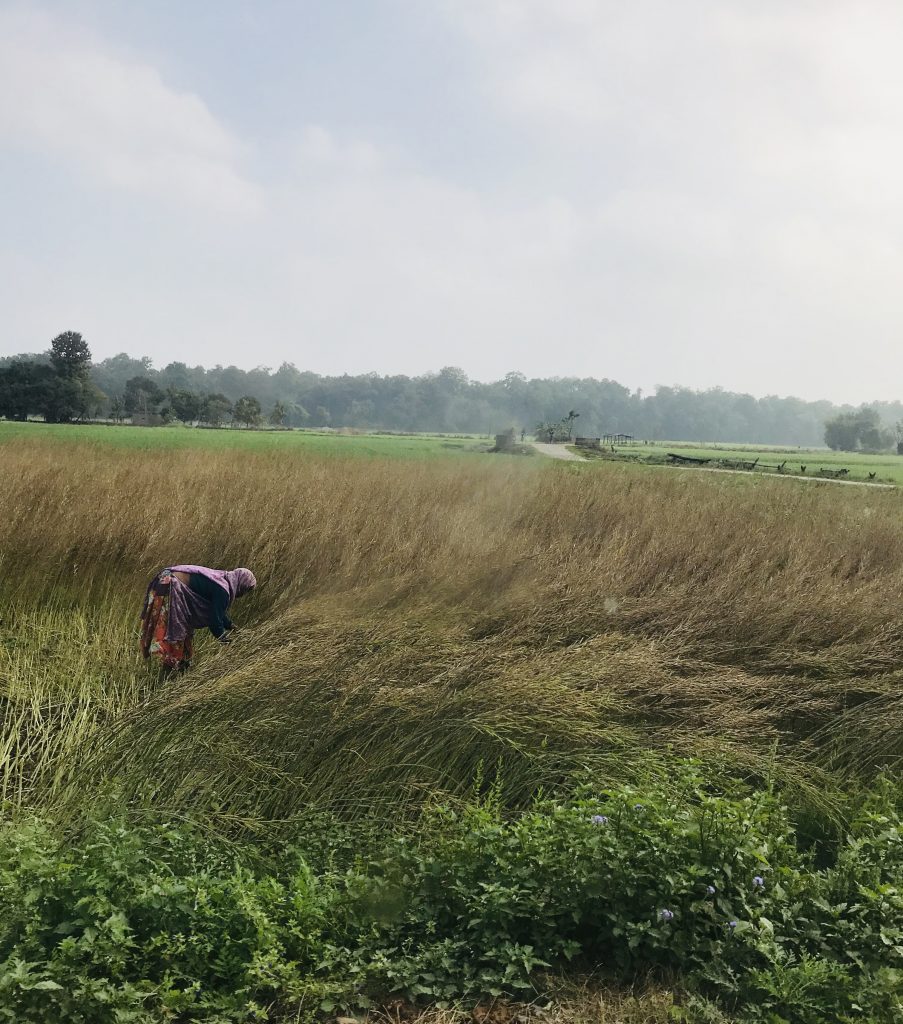
“Women warriors change the world. These women are leaders and change makers. Many women contribute to farming practices, food production, or subsistence farming where they are smallholder farmers who grow crops for survival and to meet their needs.
In turn, women “grow most of the world’s crops for domestic consumption and are primarily responsible for preparing, storing, and processing food (where) women play an instrumental role in both household and national food security.” (Agriculture VA).
So many aspects of life depend on women and their health. A woman’s health impacts the health of herself, her network and the community.”
In recognition of National Coming Out Day on October 11th, The Appendix would like to highlight the importance of LGBTQ diversity in healthcare and shed light on care for LGBTQ populations. Below are a series of photos from a pride parade by M2 Nathen Spitz.
About the Creator:
Nathen Spitz is an M2 at the Carver College of Medicine.
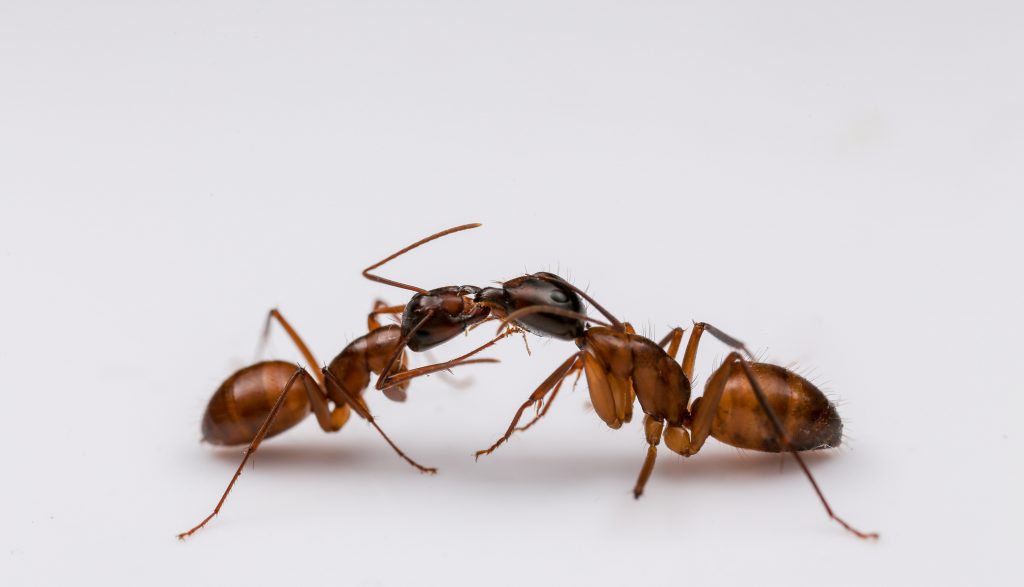
“Ants are highly social insects. One unique aspect of ant biology is the transfer of food/fluid amongst members of the colony, a process called trophallaxis. Here are two Camponotus americanus (presumed ID) workers engaged in trophallaxis.”
— Kai Rogers
Shot in studio with Canon EOS 6D, canon 65mm MP-E 1-5x macro lens
About the Creator:
Kai Rogers is a 7th year MSTP student at the University of Iowa Carver College of Medicine.
1 (12-inch) loaf day-old challah or brioche (3/4 to 1 pound)
4 eggs
1 3/4 cups whole milk
1/4 cup heavy cream or half-and-half
1 teaspoon vanilla extract
Kosher salt
Dash of grated nutmeg
Butter, for the skillet
Instructions:
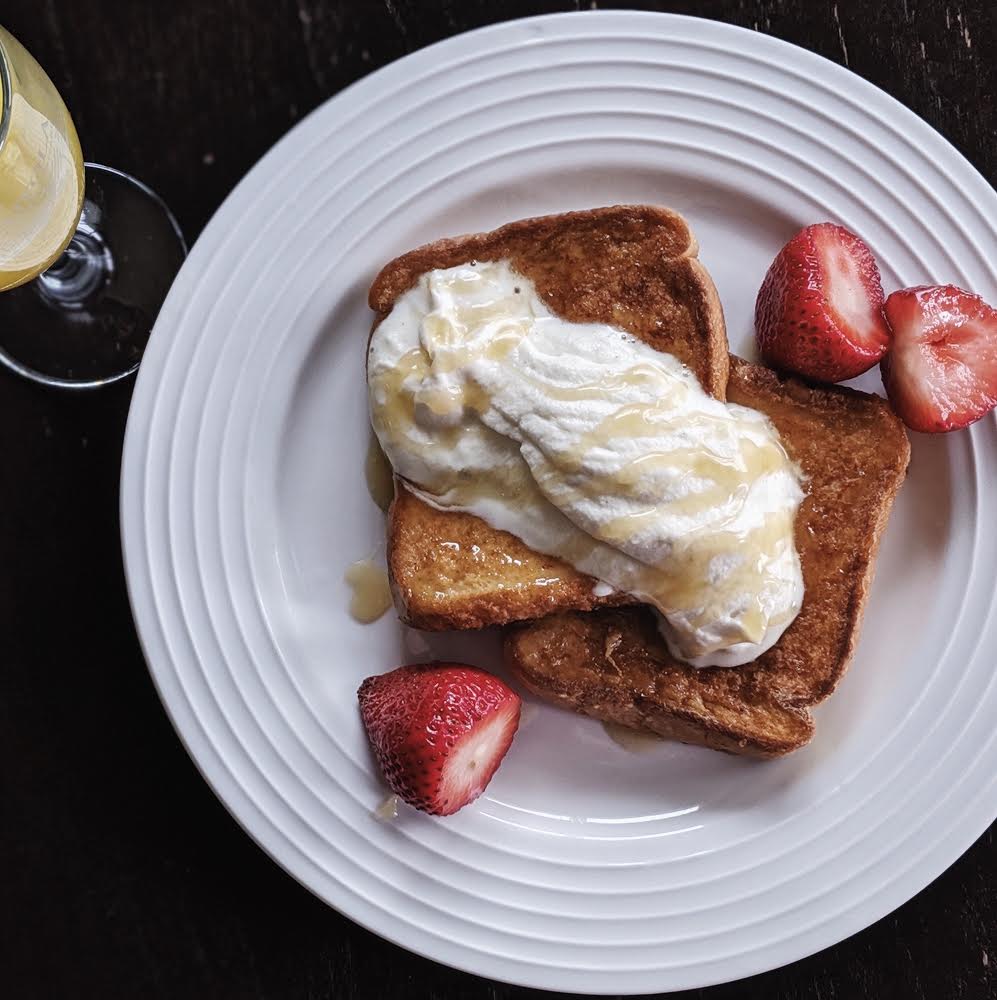
Make the whipped ricotta topping: In a large bowl combine the ricotta, cream, honey, vanilla, and cinnamon, and whisk until everything fluffs up a bit, 30 seconds to 1 minute. Cover and chill.
Make the honey butter syrup: In a small saucepan, combine the honey, butter, vanilla, and a few pinches of salt and heat over low heat until the mixture begins to bubble. Remove from the heat. Stir to recombine, if necessary, and cover to keep warm.
Make the French toast: Cut the bread into slices 2 inches thick. In an 8-inch square baking dish, whisk the eggs, milk, cream, vanilla, a few pinches of salt, and nutmeg. Dip each piece of bread in the egg mixture for 10 seconds per side if you want lighter, fluffier French toast, or 20-30 seconds per side for creamier, more custardy and undercooked-in-a-good-way centers. Put the slices of bread on a baking sheet to hold.
Heat a large skillet or griddle over medium-low heat. Grease the skillet generously with butter and add as many slices of bread as will fit comfortably in one layer. Cook until the bread is golden and toasty, about 5 minutes per side. Repeat with remaining bread, greasing the skillet again between batches.
Divide French toast among plates, dollop with ricotta, and drizzle with syrup.
About the Creator:
Olivia Snyder is an M2 at the Carver College of Medicine. She studied biology and theology at Loyola University Chicago. Her favorite art forms are culinary and watercolor.
An MPH student studied abroad in Brazil, India, and South Africa in a global health program for three months. Three Countries. Three Public Health Areas. Three Themes. One Takeaway.
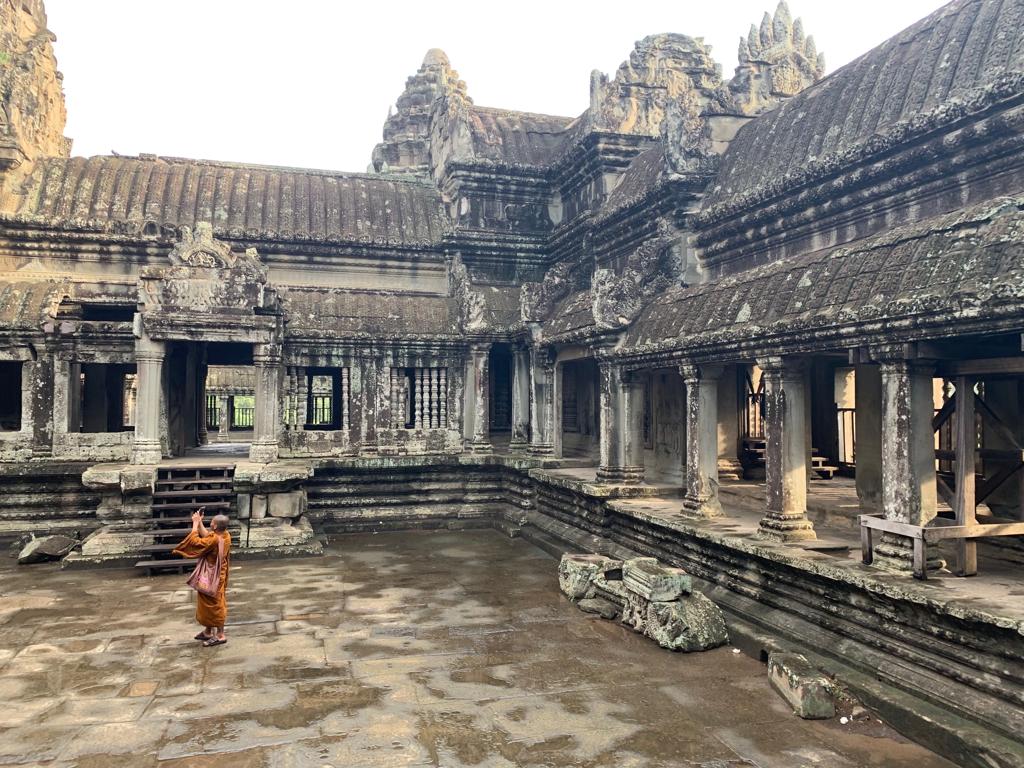
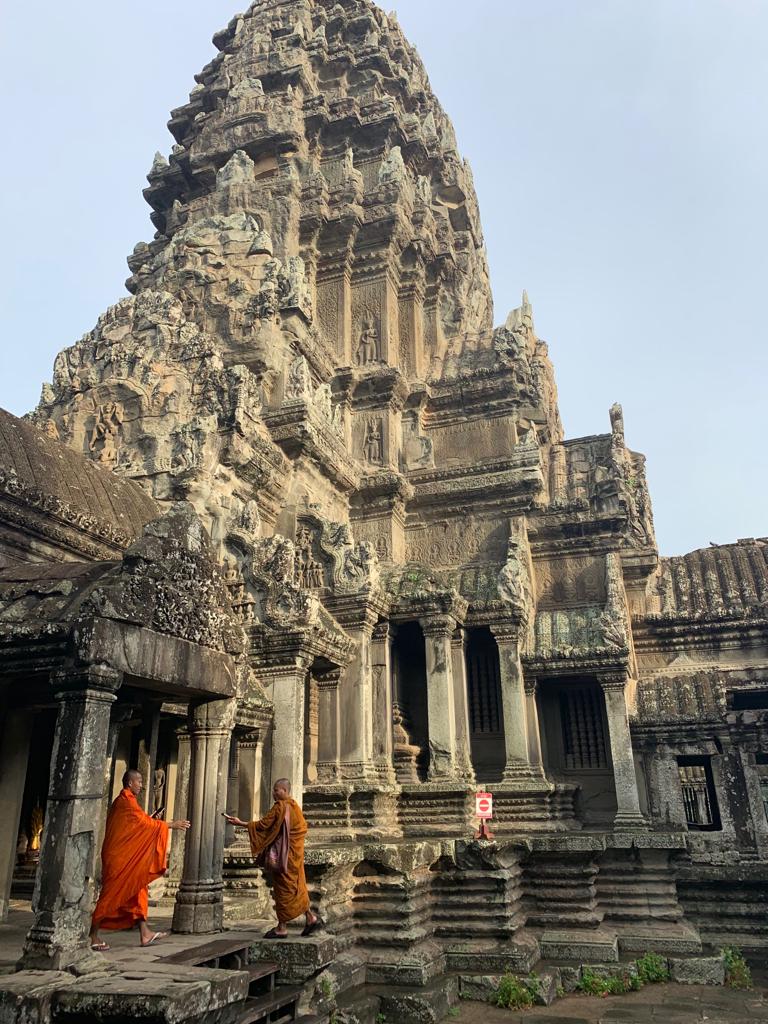
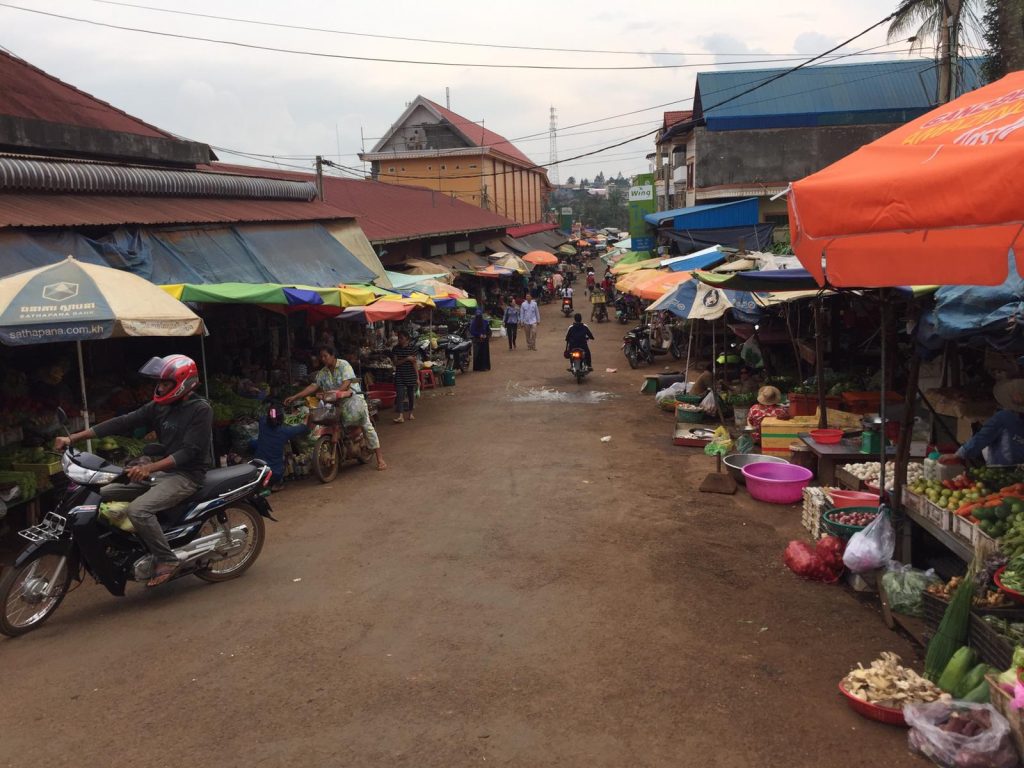
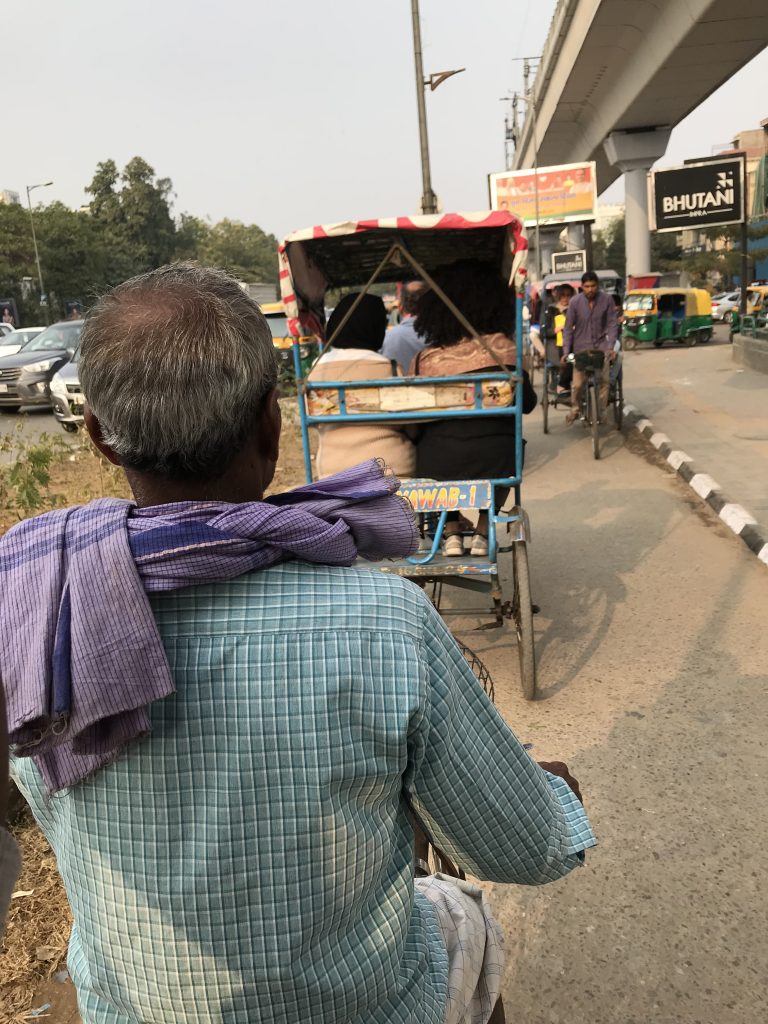
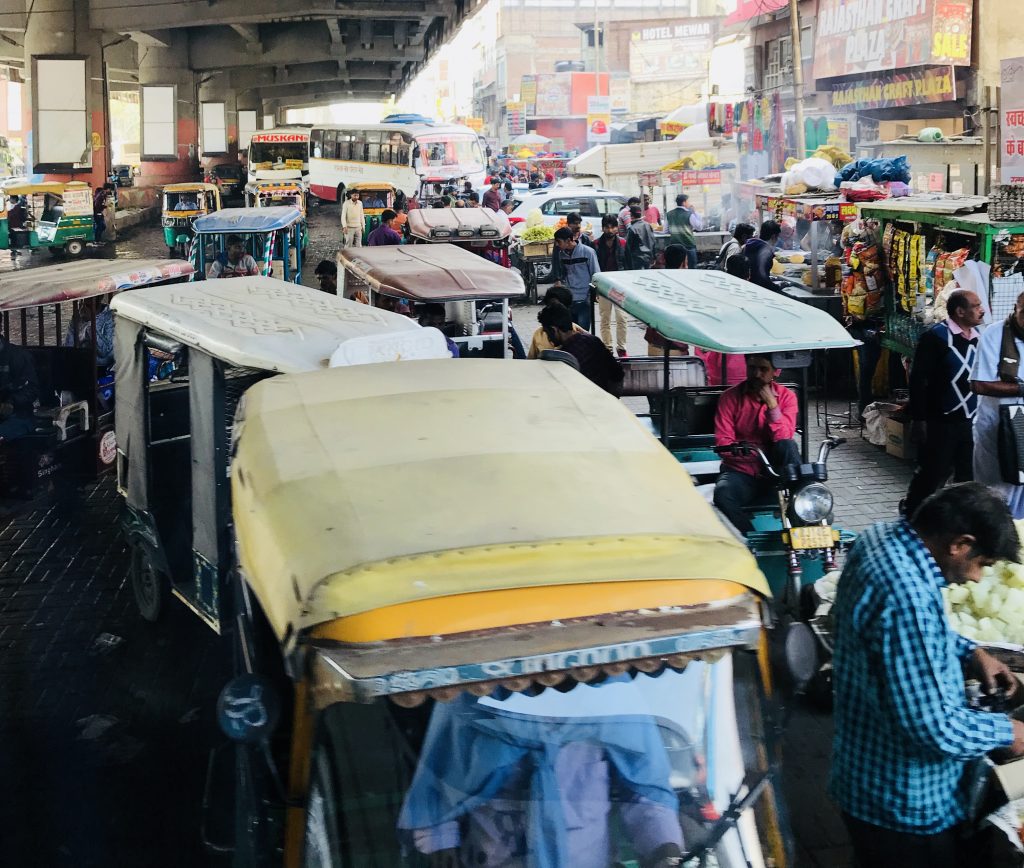
While abroad, I lived in Delhi and visited Jaipur. During my stay, I took many rickshaws for transport. Rickshaws are relatively popular, and there was even an Uber option to request rickshaws. It is estimated that rickshaws are used by up to 60 million people perday in India (Goel 2019).
Road traffic accidents in India are a public health crisis (Pal 2019). Motorized rickshaw crashes, either when an occupant is injured or hit by a rickshaw, demonstrate motor injury and the pressing need for enhanced safety (Schmucker 2009). Since rickshaws often have open sides, there is an increased risk of occupants falling out or being exposed to dust, pollution and other matter. In addition, rickshaw drivers often travel against traffic in compromising positions; which places the driver and the occupants in vulnerable health positions.
An Environmental Lens:
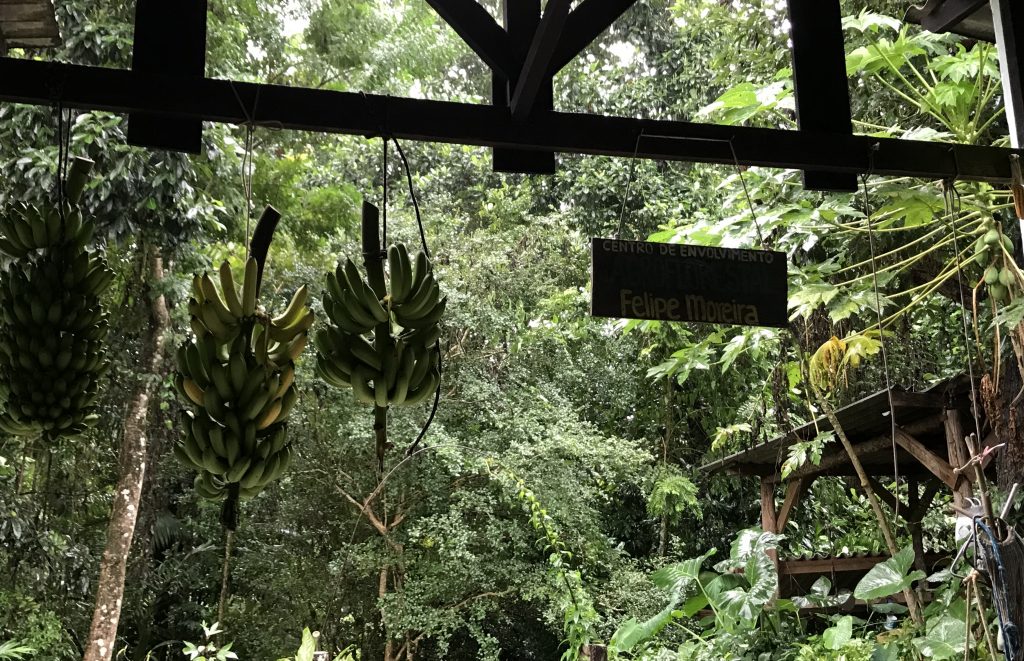
vSuas bananas. Its Bananas. (Agrofloresta. Barra do Turvo)
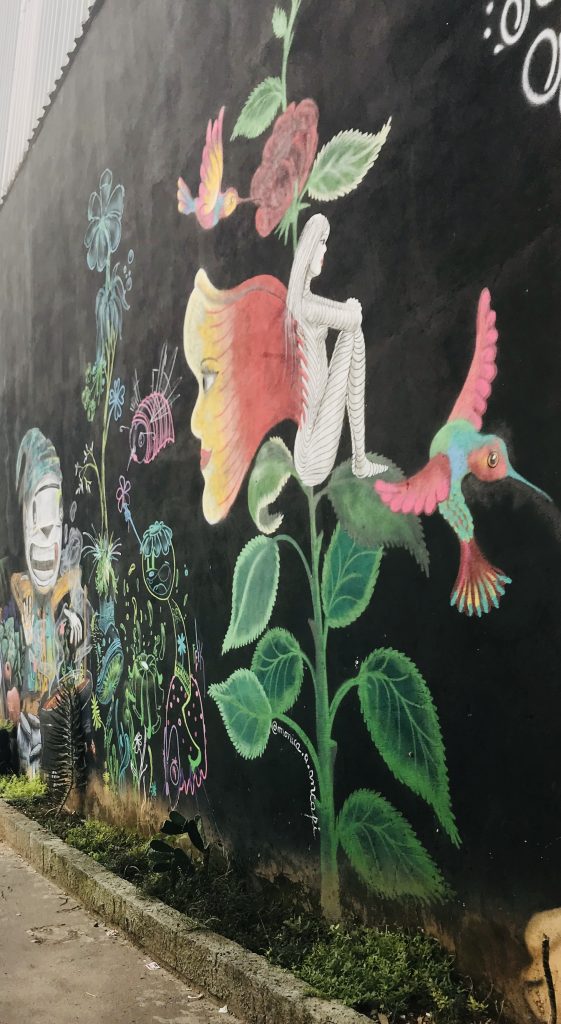
Crescimento. Growth. (Sao Paulo)
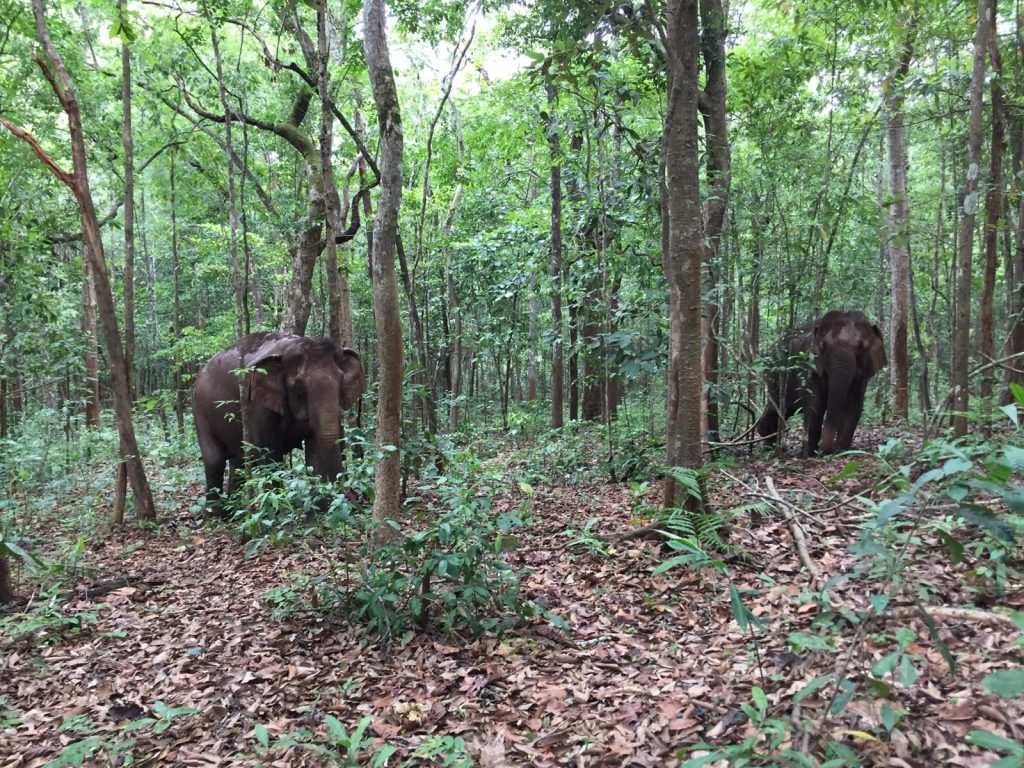
I resided in Sao Paulo, Brazil and learned about importance of how the environment shapes community.
I stayed in an agroforest that illustrated the concept of ‘BuenVivir’ which “emphasizes community, well-being, reciprocity, solidary and harmony with Mother Earth” (Wiliford 2018). These sustainability practices transformed the agroforest and communities in this space because of the the relationship with the land or environment (food production, diet, exercise, connection with others, etc). I also explored how Buen Vivirwas exemplified in street art. Street Art, while not legalized in Brazil, is a method for communities to share their voice and stories (Young 2017). Street Art shows how the growth cycle of plants is connected to personhood. This connectivity of people and the environment, (that I both experienced in the agroforest and saw in Street Art), demonstrates this symbiotic and synergistic relationship.
Health outcomes are significantly shaped by one’s environmentwhich influences access, opportunities and potential barriers. Built and social environment in Brazil causes differing experiences for communities in rural and urban areas(Velásquez-Meléndez 2013).This coincides with the social determinants of health where one’s community and environmentimpact the quality of life, and lived health experiences.
Apartheid Focus: Sunset Series
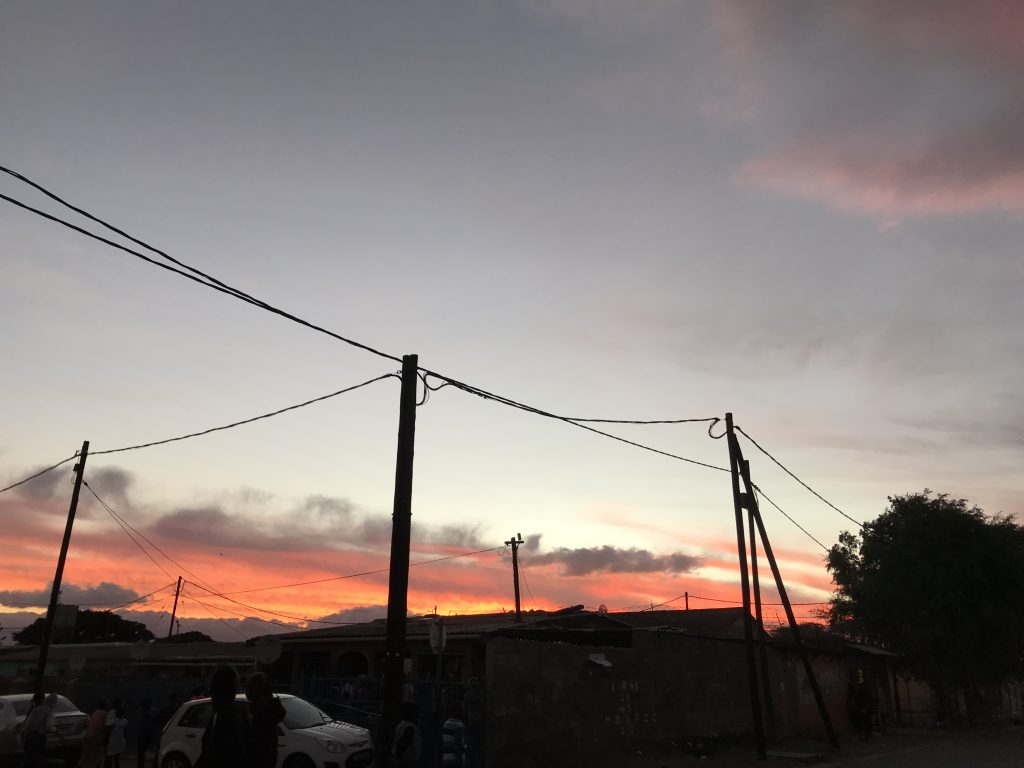
6:48 pm (Zweletemba)7:22 pm (Cape Town)
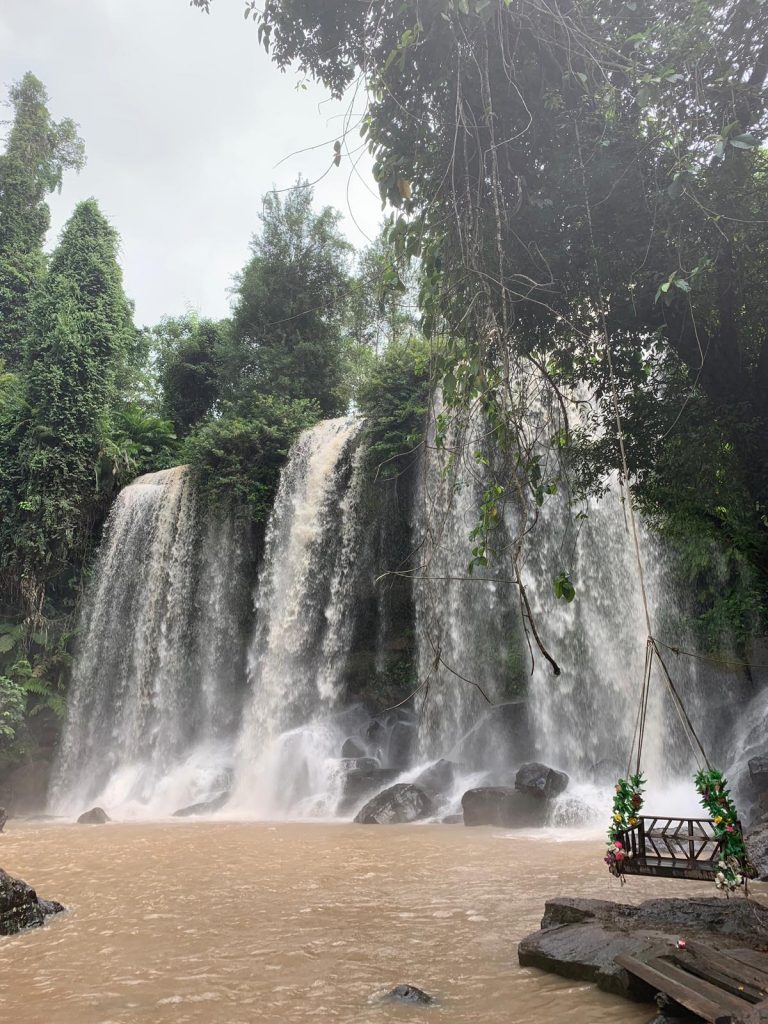
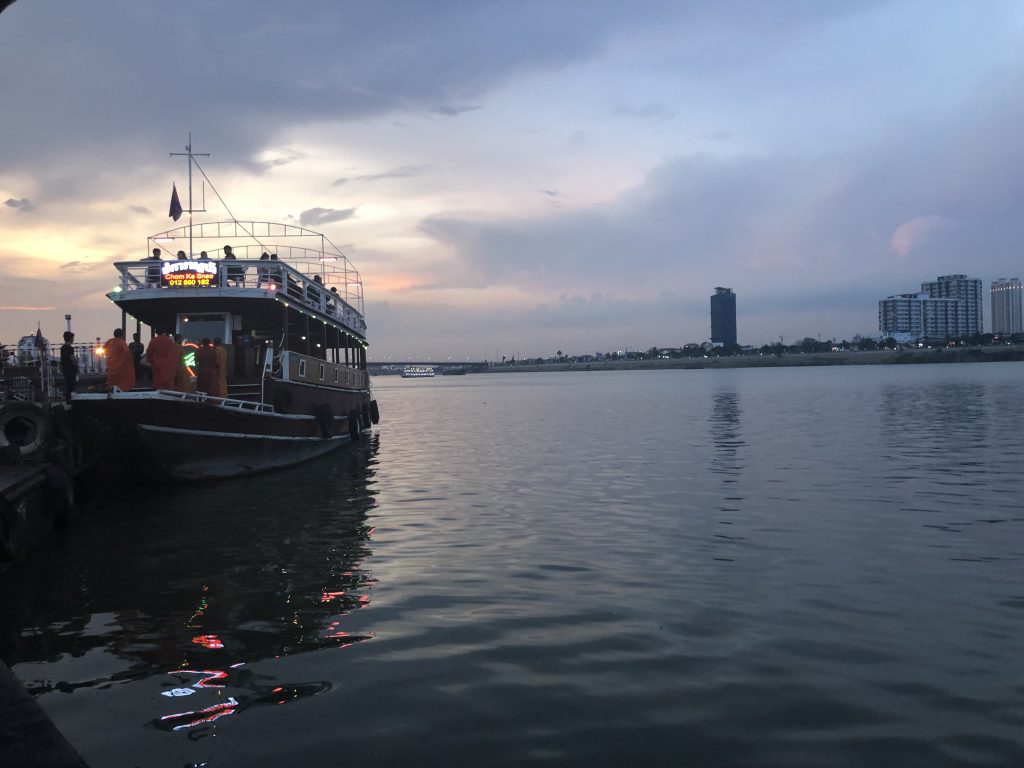
While I was in South Africa, I stayed in Cape Town and Zweletemba, which are both located in the Western Cape. The sunsets in the Western Cape were beautiful.
These photos illuminate how built environments, situated from hegemonic norms and race relations, differ in varying contextsand exacerbate health disparities. In South Africa, townships emerged in the Apartheid regime where individuals of color were systemically segregated and disenfranchised. The architecture of townships and ideologies surrounding these communities illustrate how space and environment embody oppressive norms (Mills1989). Apartheid continues to have a lasting legacy in structures where power and control mechanisms further intensify health disparities (Hocoy 1998, Kon 2008, Warren 2016). The social, economic, and political ramifications of Apartheid hinder equitable health outcomes and quality of life.
Public health encapsulates many aspects of our lives. Whether it be safety, oppressive historical rooted contexts, or built environments. As public health incorporates sustainability and social justice lenses, it’s vital that public health professionals serve as advocates. There is a global action call for us, as public health professionals or those interested in health, to understand communities’ social contexts and practice cultural competency, in order to amplify communities’ voices and enhance their health experiences.
I do acknowledge my privilege of being an outsider. I do not seek to speak for these communities. Rather, I seek to vocalize my perceptions and illuminate their stories.
References:
– Goel, Vindu. “Inside India’s Messy Electric Vehicle Revolution.” New York Times. 2019 – Hocoy, D. “Apartheid, racism, and Black mental health in South Africa, and the role of racial identity.” Dissertation Abstracts International: Section B: The Sciences and Engineering, 58(10-B), 1998, pp 5699. – Kon, Zeida R, and Nuha Lackan. “Ethnic disparities in access to care in post-apartheid South Africa.” American journal of public health vol. 98,12 (2008): 2272-7. – Mills, Glen. “Space and Power in South Africa: The Township as a Mechanism of Control.” Ekistics, vol. 56, no. 334/335, 1989, pp. 65–74. JSTOR. – Pal, Ranabir et al. “Public health crisis of road traffic accidents in India: Risk factor assessment and recommendations on prevention on the behalf of the Academy of Family Physicians of India.” Journal of family medicine and primary care vol. 8,3 (2019): 775-783. doi:10.4103/jfmpc.jfmpc_214_18 – Schmucker, Uli et al. “Crashes involving motorised rickshaws in urban India: characteristics and injury patterns.” Injury vol. 42,1 (2011): 104-11. doi:10.1016/j.injury.2009.10.049 – Velásquez-Meléndez, Gustavo, Mendes, Larissa Loures, & Padez, Cristina Maria Proença. (2013). Built environment and social environment: associations with overweight and obesity in a sample of Brazilian adults. Cadernos de SaúdePública, 29(10), 1988-1996. – Warren Smit, Ariane de Lannoy, Robert V.H. Dover, Estelle V. Lambert, Naomi Levitt, Vanessa Watson,Making unhealthy places: The built environment and non-communicable diseases in Khayelitsha, Cape Town, Health & Place, Volume 39, 2016, Pages 196-203. – Wiliford, Beth. “Buen Vivir as Policy: Challenging Neoliberalism or Consolidating State Power in Ecuador. Journal of World-Systems Research.” University of Pittsburg. 2018. – Young, Michelle. “The Legalization Of Street Art In Rio de Janeiro, Brazil.” Huffington Post. 201About The Creator:
The creator is a second-year MPH student in the Epidemiology track. She graduated from Grinnell College with a BA in Biology of Global Health in May 2020. During their time at Grinnell, They studied abroad in Brazil, India and South Africa, in an honors global health program, that focused on infectious diseases research including TB, HIV/AIDS and Zika. Her experiences abroad inspired her to conduct her senior thesis on women’s cancer as a health disparity in Sub-Saharan Africa. She also is pursuing a research study, with the Harvard Global Health Institute focused on HIV+ men’s engagement in care in sub-Saharan Africa. Also, has interests in policy and photography, as she worked on Capitol Hill for Congressman John Lewis and at Photovoice Worldwide.
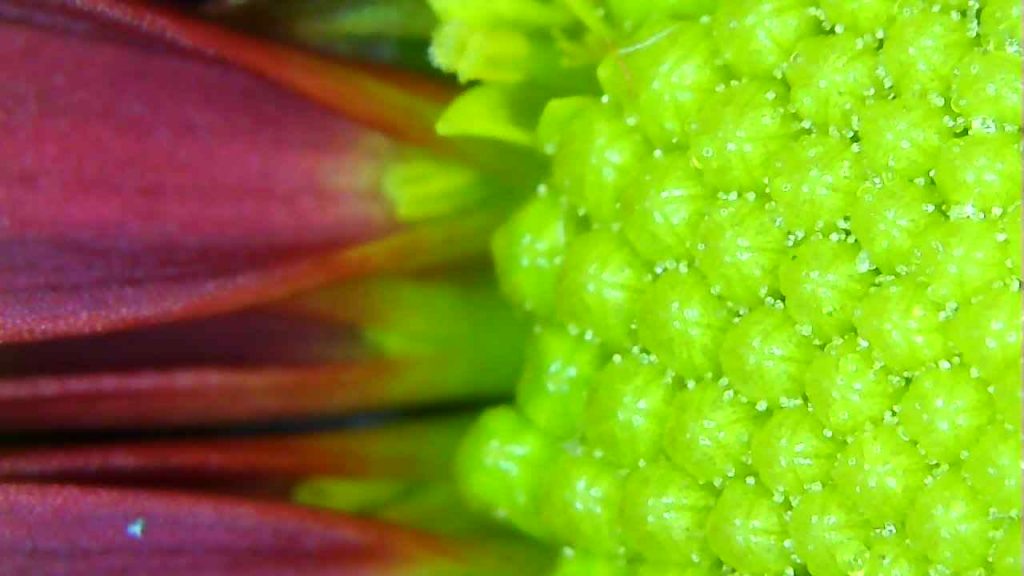
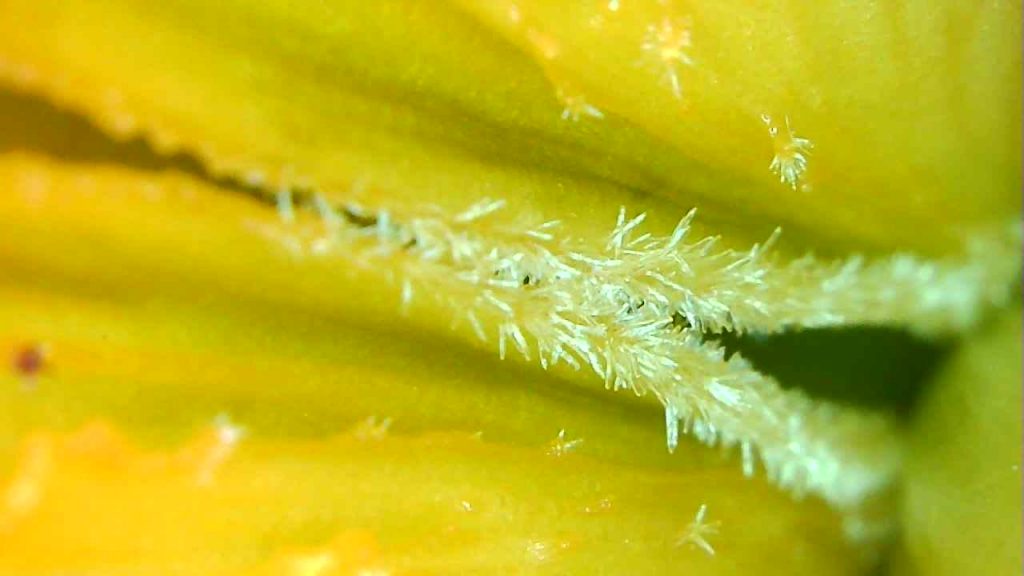
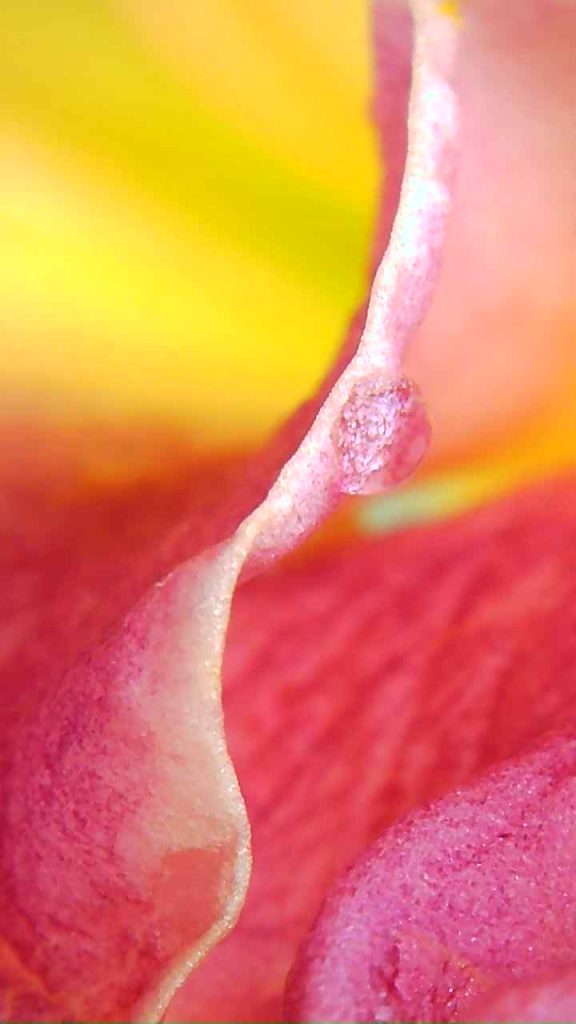
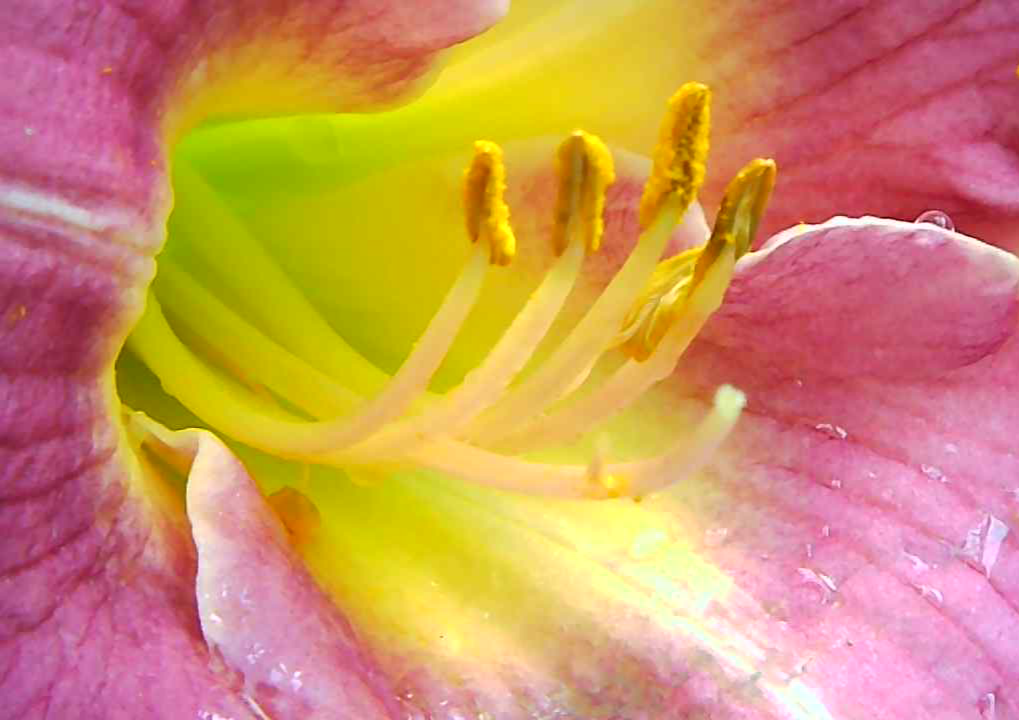
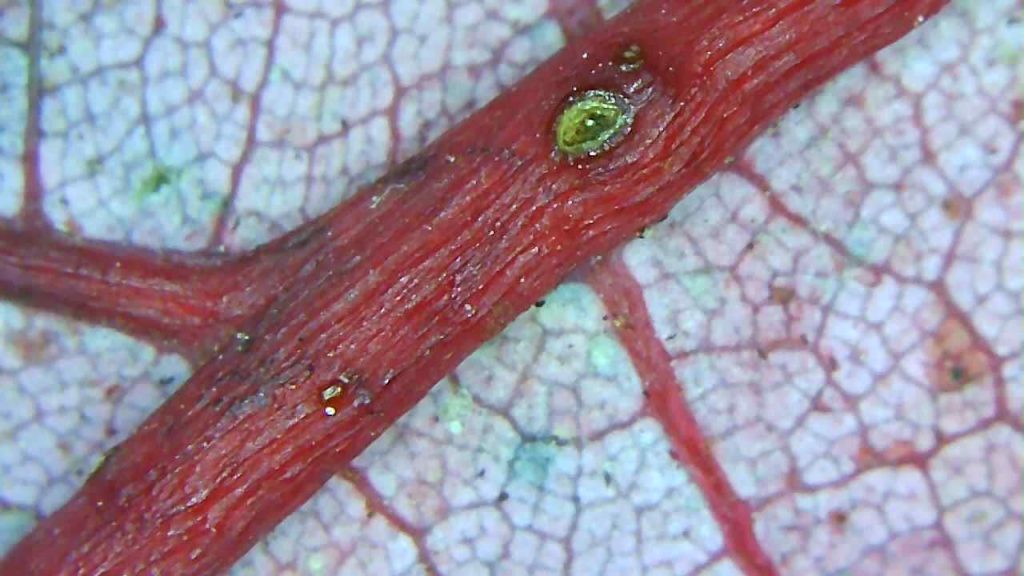
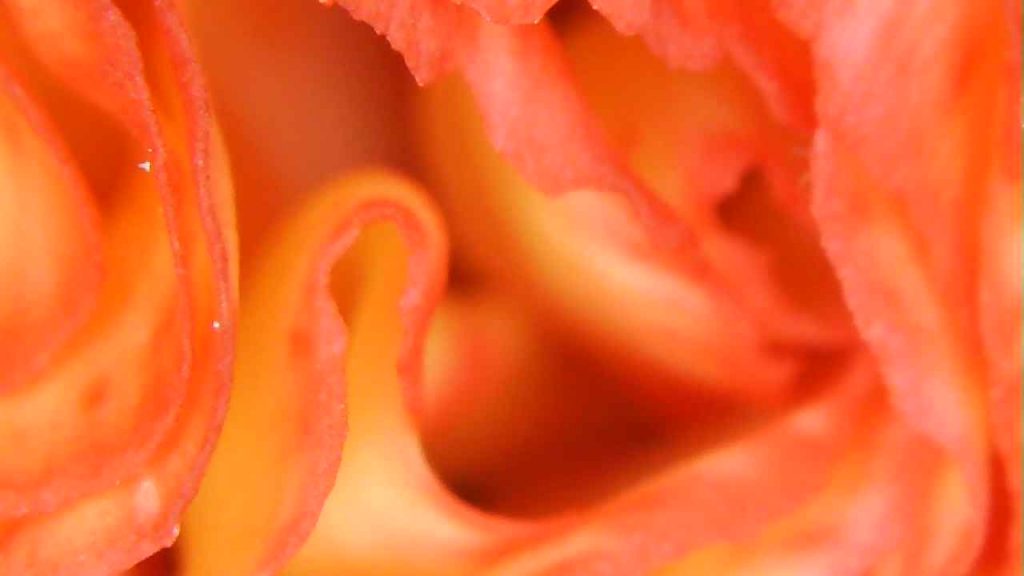
“I initially got my microscope because I saw makeup artists using similar ones in YouTube videos, and I thought it would be something fun to try out. Once I started using the microscope, I realized just how amazing the world we see but don’t see is. These are things we have seen before or looked at every day, but we simply don’t realize what’s below the surface level. To me, it’s similar to thinking that you know a person pretty well, but then discovering something totally new about them that you never expected.”
“I’ve found that oftentimes it’s the things I don’t expect to photograph well that end up producing the best images. This realization has helped me keep an open and broad mindset when thinking of new things to photograph. For example, I’ve also done a series of people’s eyes magnified up close. The detail inside the iris of an eye is absolutely beautiful and unexpected. I had a friend who thought their eyes would be boring because they are brown, but they actually had light brown striations throughout that looked like tiger stripes.”
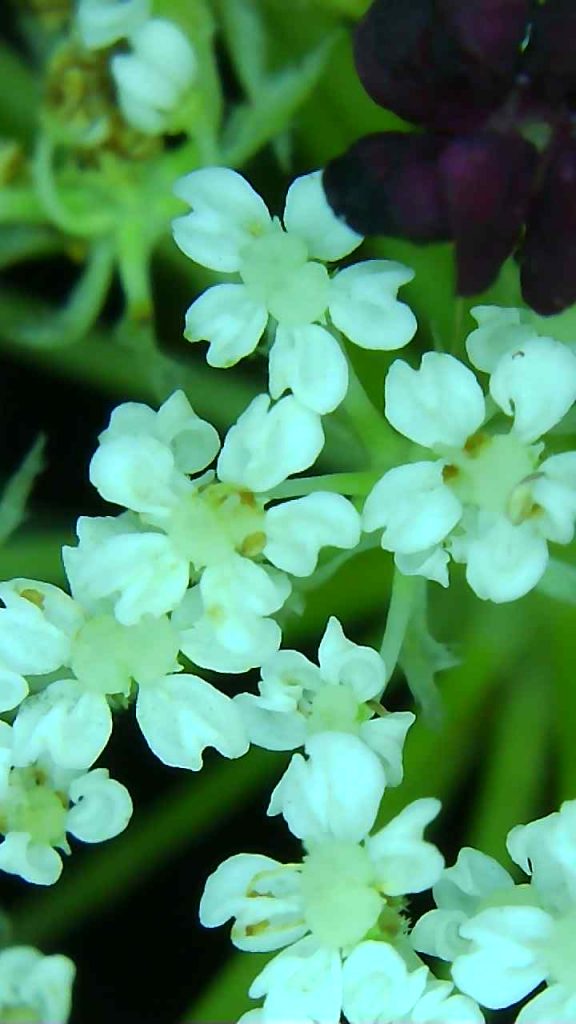
“The Outsider” Queen Anne’s Lace
“Most of my microscopic pictures involve nature. I think the bright colors lend themselves really well to taking very vibrant photos. I’ve recently started experimenting with putting contrasting backgrounds behind the things that I’m photographing as well. For example, the picture of the little white flowers with the dark purple one in the corner was taken on top of a black colored book. I like creating that kind of opposition in my images. That picture is of a Queen Anne’s Lace flower, and it’s actually my favorite photo in the bunch. I particularly like it because of that single purple flower in the corner. I had never seen a Queen Anne’s Lace like this before, and in my head, I call this photo “The Outsider”.”
About the Creator
Anna Graeff is an M2 at Carver College of Medicine with an undergraduate degree in Psychology from Iowa State University. She has two adorable pet Yorkies, which distract her from studying a lot of the time. She loves art and became interested in creating her own over the past year. Her favorite medium to create is embroidery.