
Nail Art
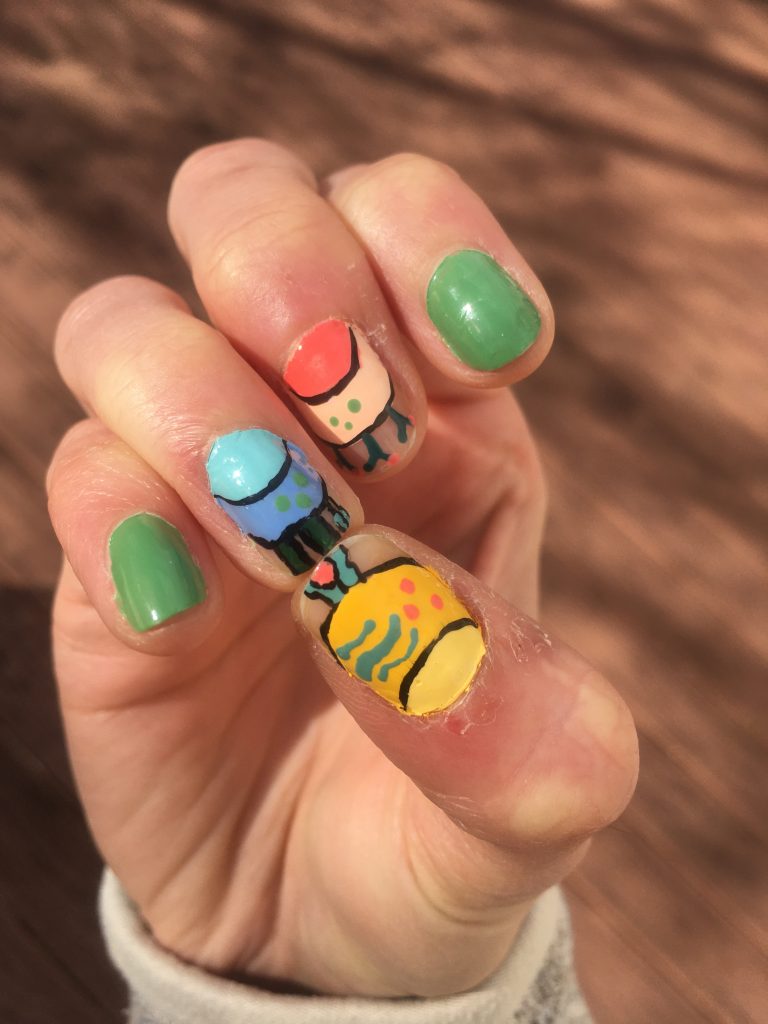
About the Creator
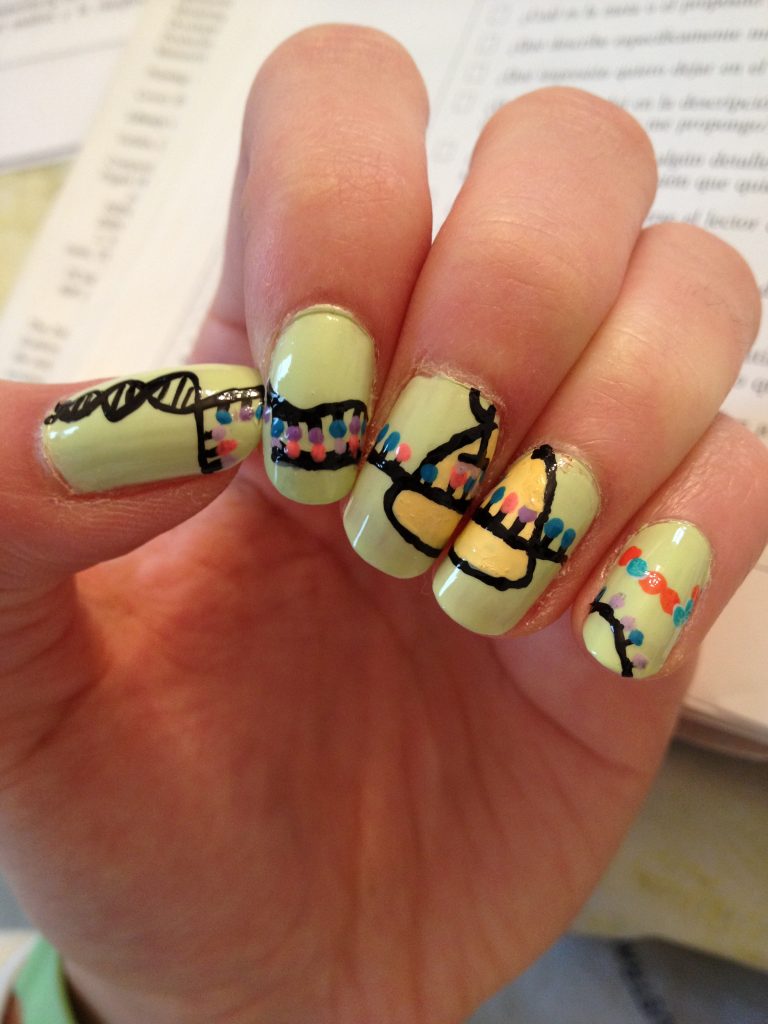
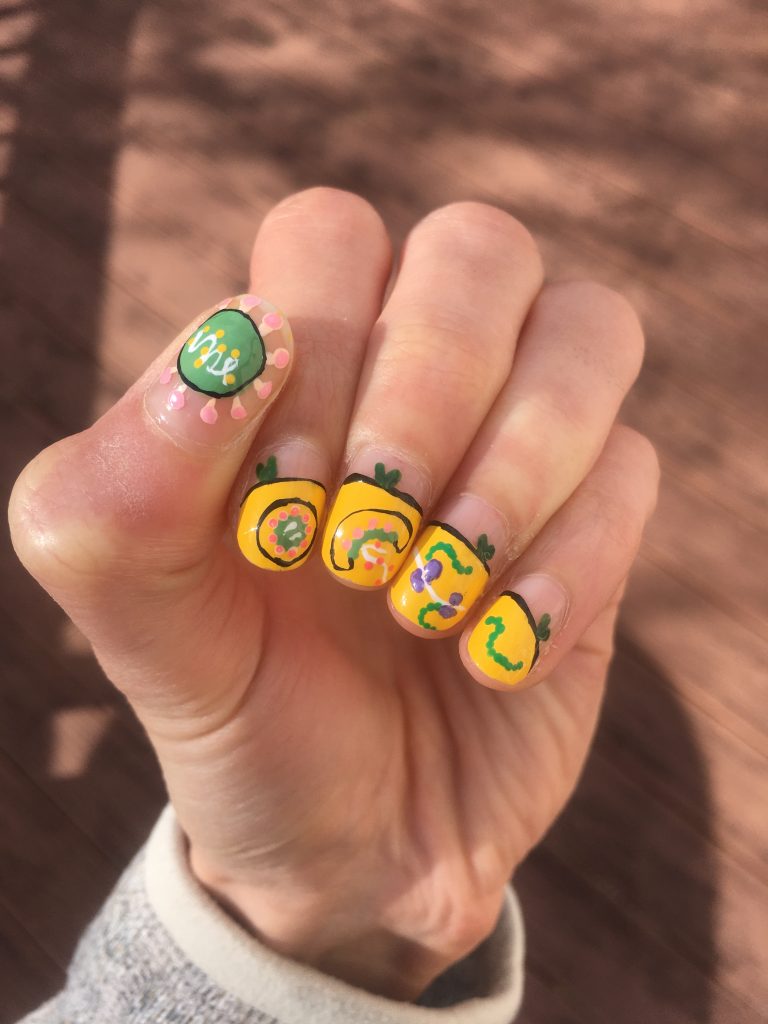
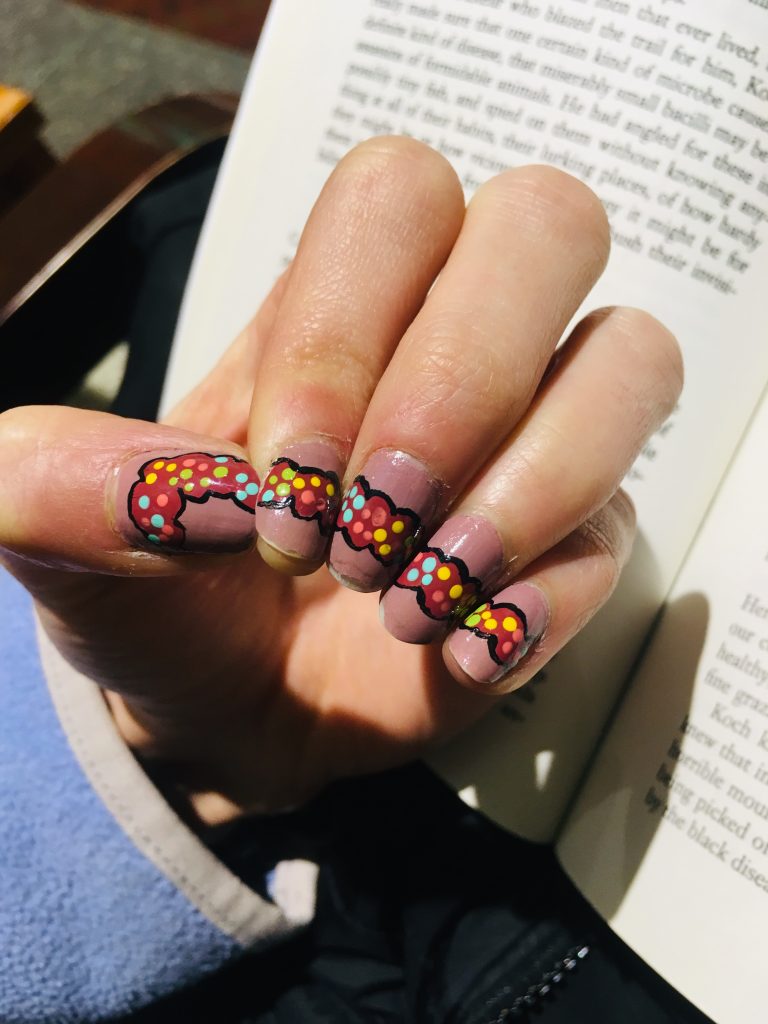
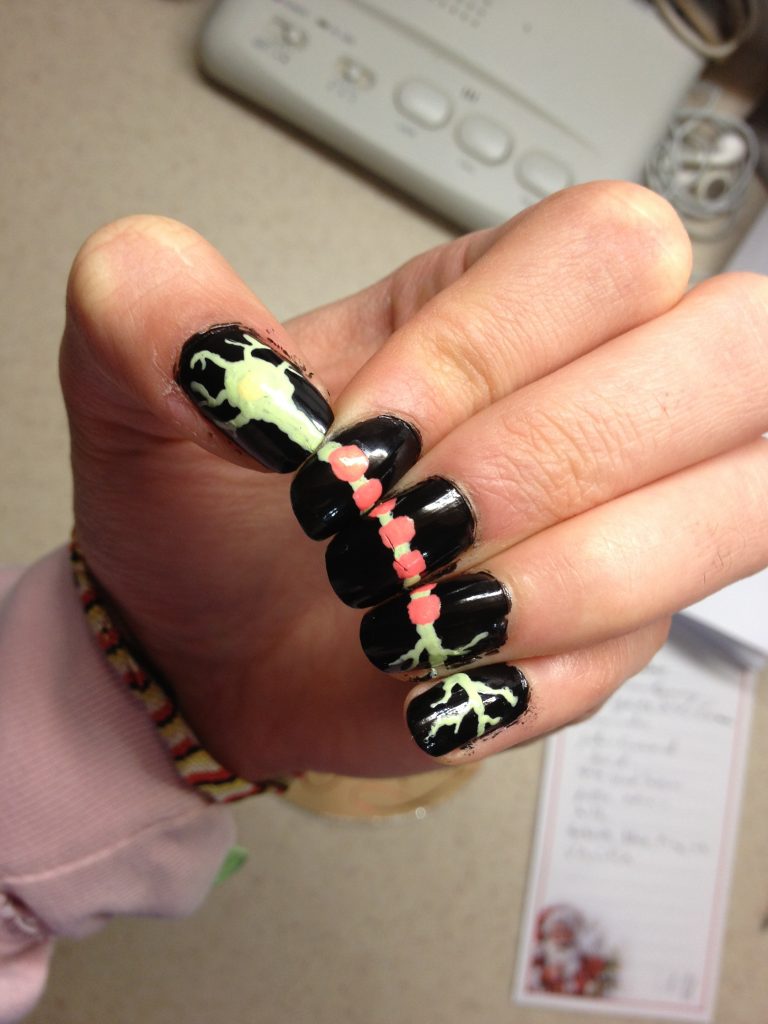
Avan Antia is a second year MD-PhD student at the University of Washington in St. Louis. This is a selection of her incredible nail art.

Avan Antia is a second year MD-PhD student at the University of Washington in St. Louis. This is a selection of her incredible nail art.
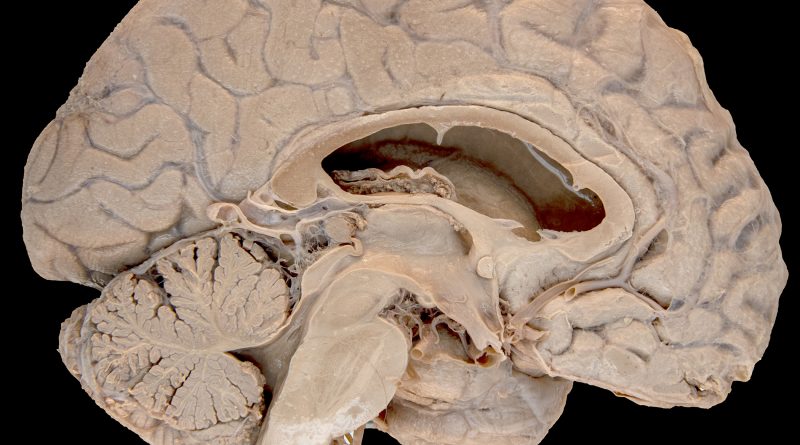
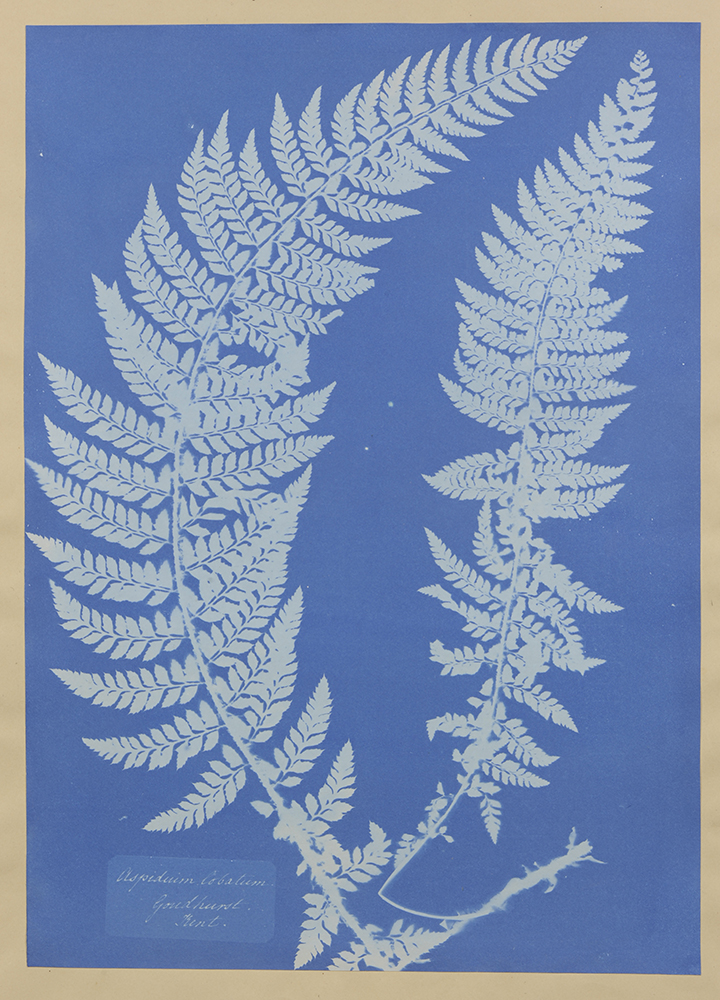
Dr. Justin Sipla teaches neuroanatomy and neuroscience to medical and graduate students at the University of Iowa. We asked him to ponder how the patterning of a cerebellum’s arbor vitae mirrors Anna Atkins’ cyanotype of a fern below.
A special thank you to the University of Iowa Stanley Museum for collaborating with us on this project and providing us with this image.
I watched a Netflix documentary recently about a guy who befriended an octopus while diving off the Cape of Storms (My Octopus Teacher). For me, by far the most moving footage was a moment when the octopus started “playing” with a school of fish, moving the cloud of animals this way and that with its eight tentacles, in apparent delight of the shifting patterns.
All brains really seem to do is pattern the universe, and, using whatever patterns have been established, make predictions about future patterns. That’s basically it. What is it about an encounter with symmetry that sets our brains on fire, whether octopus, human, or (I expect) otherwise?
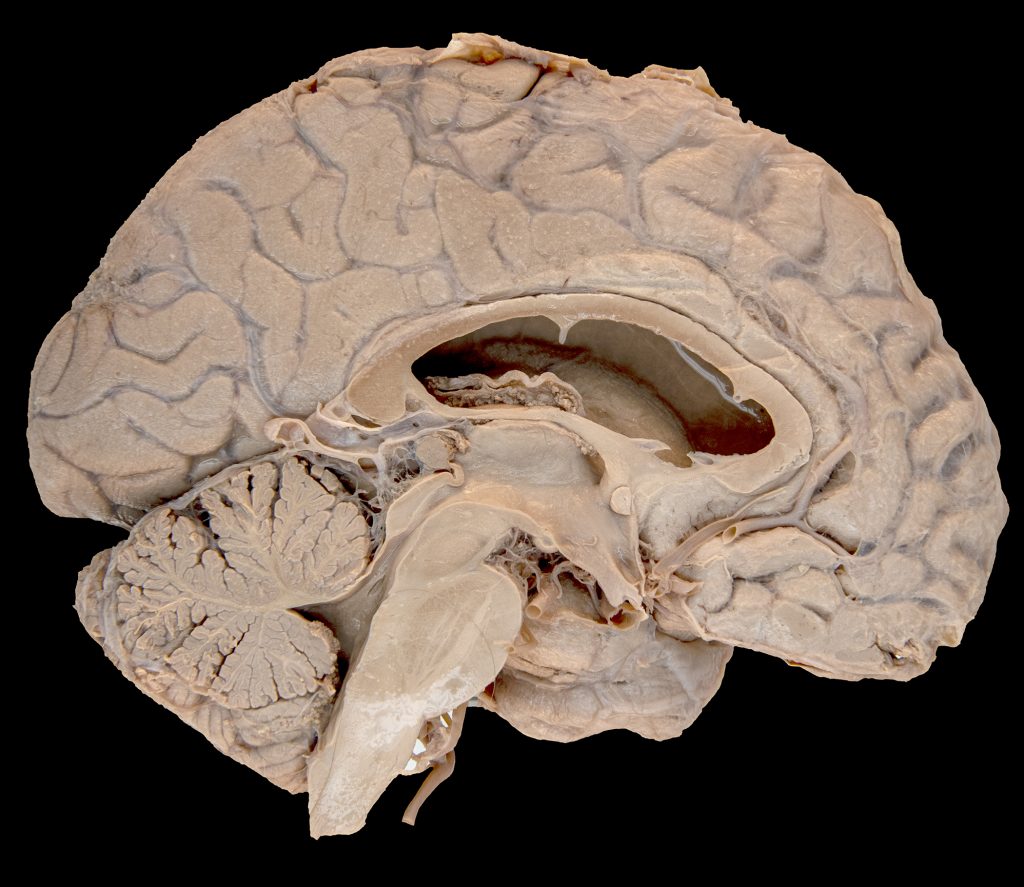
Certainly, the white matter of the cerebellum, or arbor vitae, in cross section resembles a fern, or maybe it’s better to say that a fern resembles a cerebellum. Folded cerebellar white matter is well established in cartilaginous fish, and these first appeared on the evolutionary stage some 400 million years ago in the Devonian, roughly the same time as ferns. Neither came first by much.
Most fern fronds get their shape via circinate vernation, in which new growths uncoil from a fractal spiral. The accordion-like folds of the arbor vitae come about differently. During a tightly choreographed set of developmental events, the surface area of the cerebellar cortex far outgrows the area needed to surround the output nuclei of the deep white matter. Either the cortical sheet folds extensively, or you simply can’t pack enough neurons in there to work the cerebellum’s magic. Gyrification, not circination.
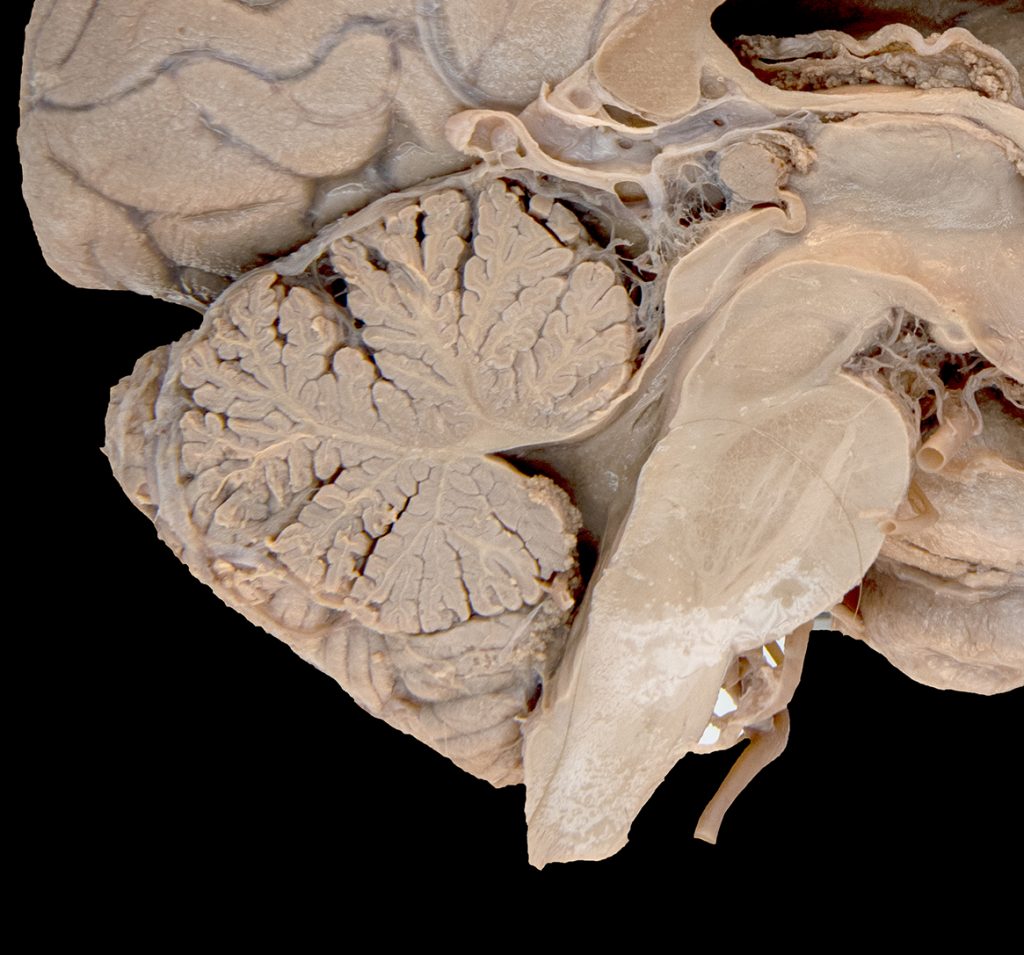
Structural similarities are not merely an aside. Does something even resemble something else unless a brain says it does? When you think about it, all human knowledge is really based on metaphor, brains deciding that some pattern is “like that” or “not like that in ways.” So the arbor vitae is like a fern, and the fern is like an arbor vitae. Some ferns even get their common names after this likeness, for instance the Arborvitae Fern. Though that’s actually a club moss.
Dr. Justin Sipla is a neuroanatomist and curriculum strand director in the Carver College of Medicine. He teaches extensively about the organization and function of the human brain in Iowa’s MD, PA, DPT, neuroscience Ph.D, and Neurology Residency programs.
The Stanley Museum of Art (est. 1969) is a visual arts institution at the University of Iowa and one of the leading university art collections in the country with 15,500 objects. The new Stanley Museum building will open in 2022, find them at @uistanleymusum on Instagram.

The Appendix interviewed medical student and artist Abby Walling on her process of making stained glass art.
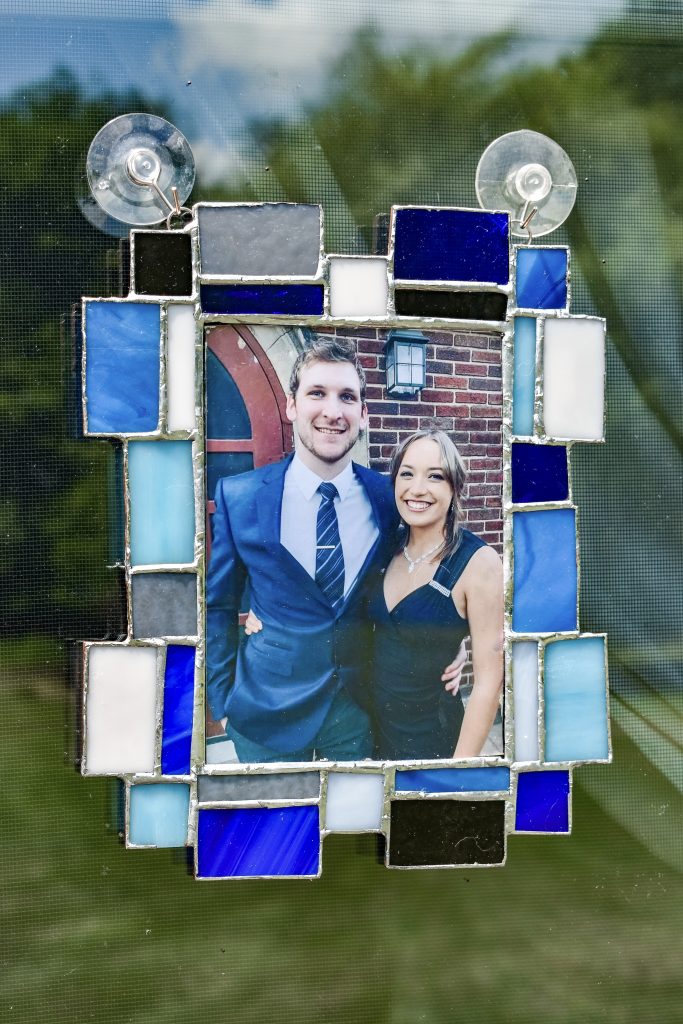
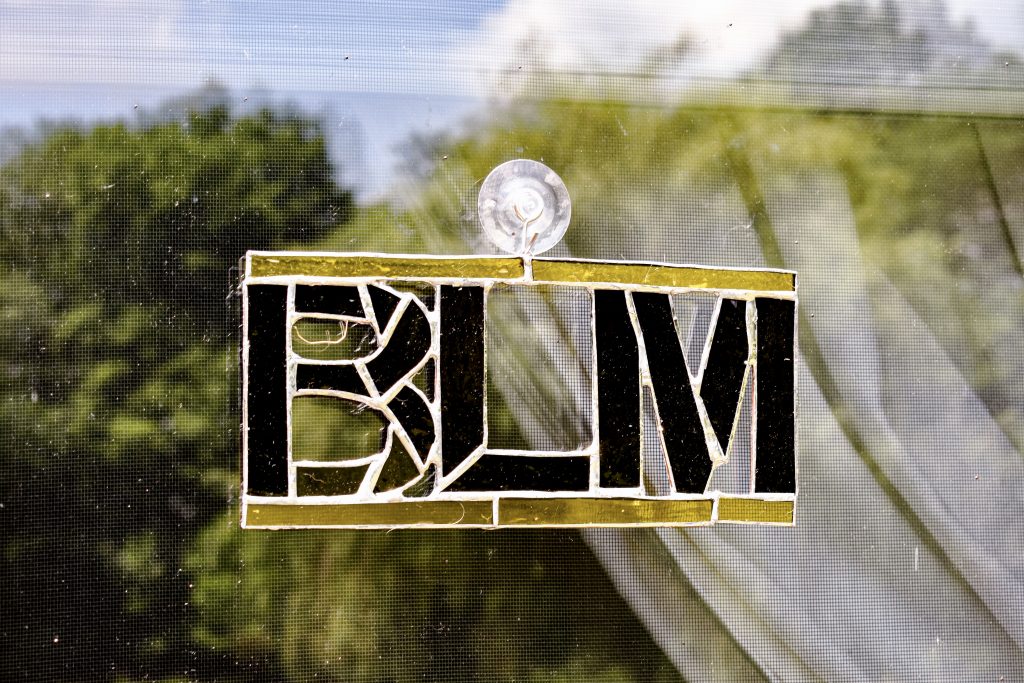
Q: When/how did you get into creating stained glass?
A: I took a stained glass class my freshman year at West High School. It quickly became a long-term hobby once I realized how much family and friends liked receiving stained glass presents.
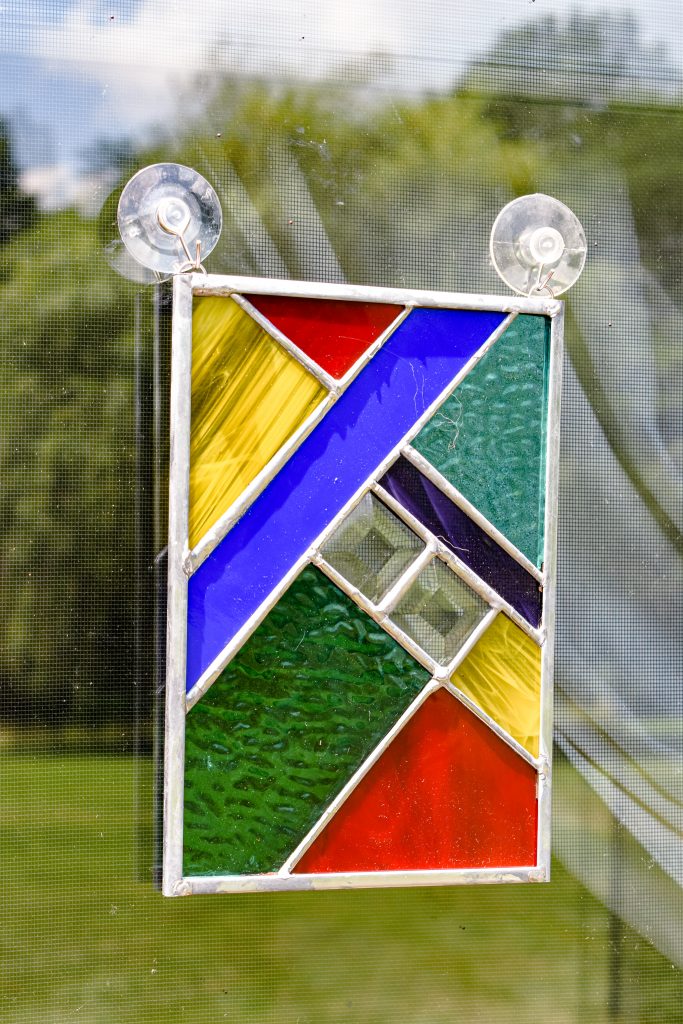
Q: What does your creation process look like?
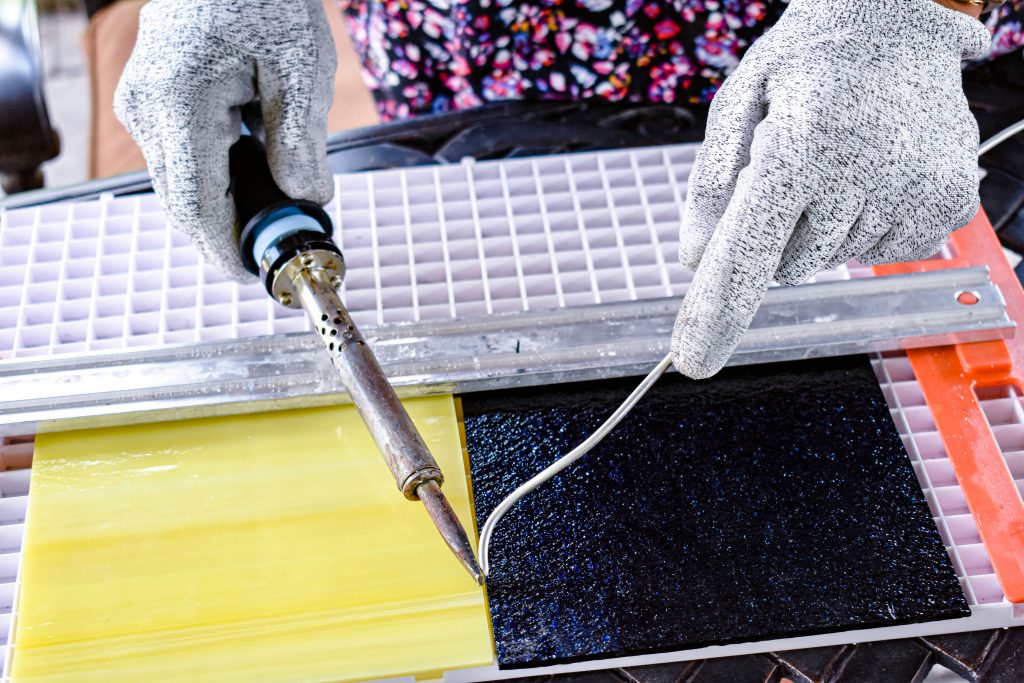
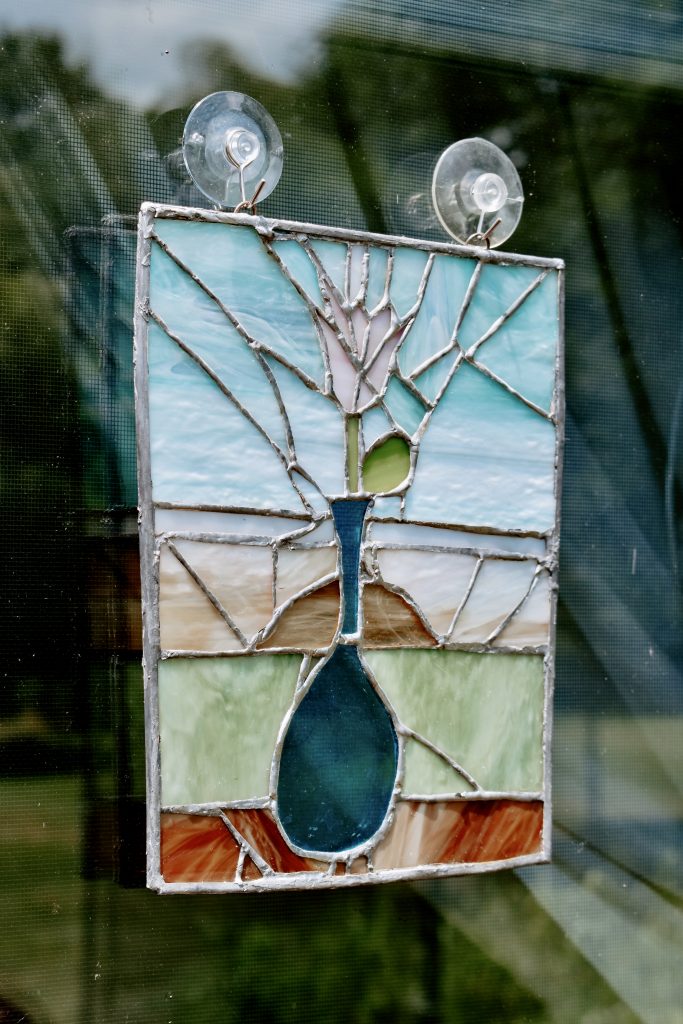
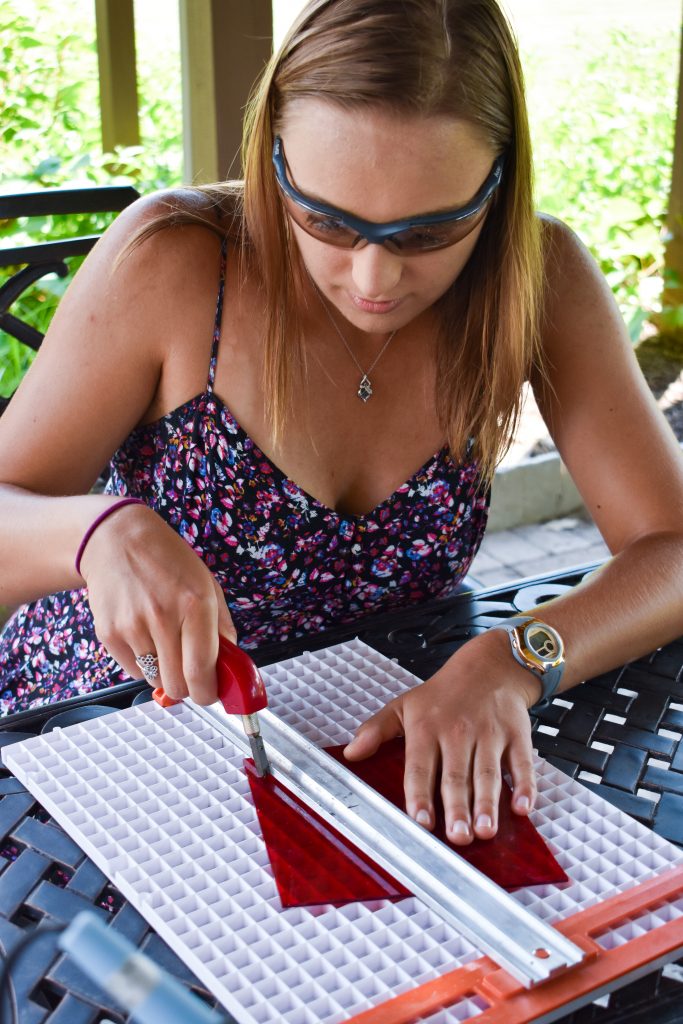
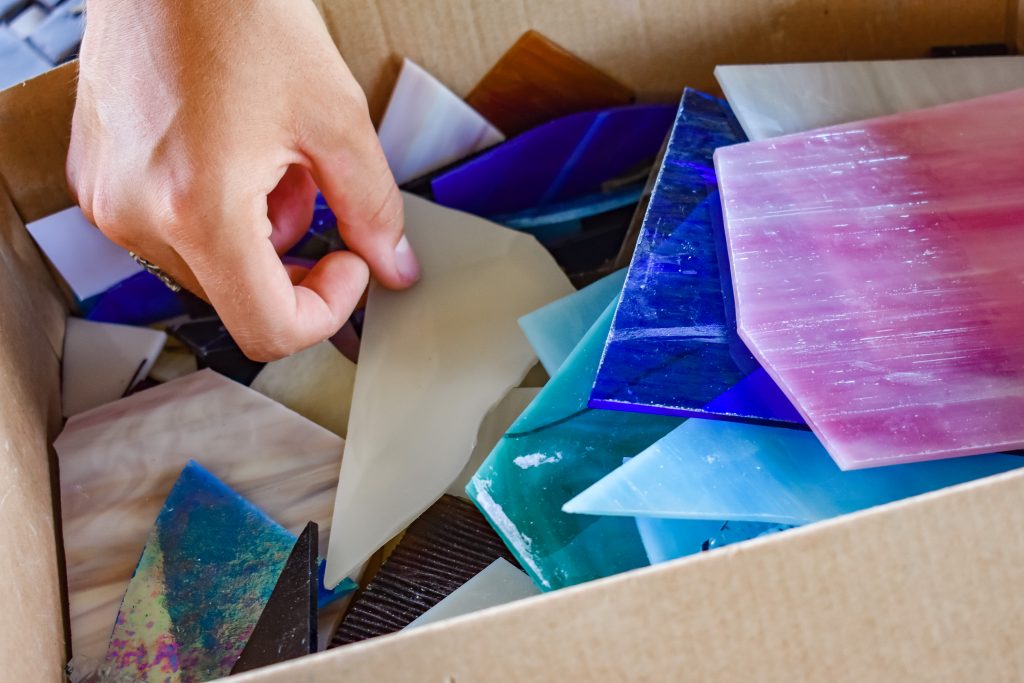
A: I start by receiving a specific request for a piece from a customer (usually family or a friend) who might have a general idea of what they would like. For example, if someone wanted a bird piece, I would make several sketches of birds and have them choose their favorite. I print off the sketch, cut out each piece, and glue it on the associated color of glass. I then run a glass cutter along the glass (like a mini pizza cutter), and use a glass grinder to smooth out the edges. After cleaning each piece, I cover the edges in copper foil. Next, I use a soldering iron to melt solder, which melds the pieces together wherever the copper foil is sticking. Lastly, I frame the completed piece with zinc came (connecting the frame edges with solder) and solder a key ring so the piece can be hung on a window with a suction cup.
Q: How do you think your art reflects in your daily life?
A: Stained glass has helped me become more of a visual learner. I’ve started understanding things I’m studying (like a disease or drug) as a large puzzle or picture with many difference pieces that fit together. Sketchy Medical has really helped me tune into this type of learning!
Q: What are you working on right now?
A: I opened a business on Etsy as soon as quarantine started. It became a full-time commitment; I was creating about two pieces a week, designing the website, and advertising the business. Unfortunately, I deactivated the business once school started again to focus on studying. In the future, I may start planning small pieces for friends’ birthdays that I can make during school breaks.
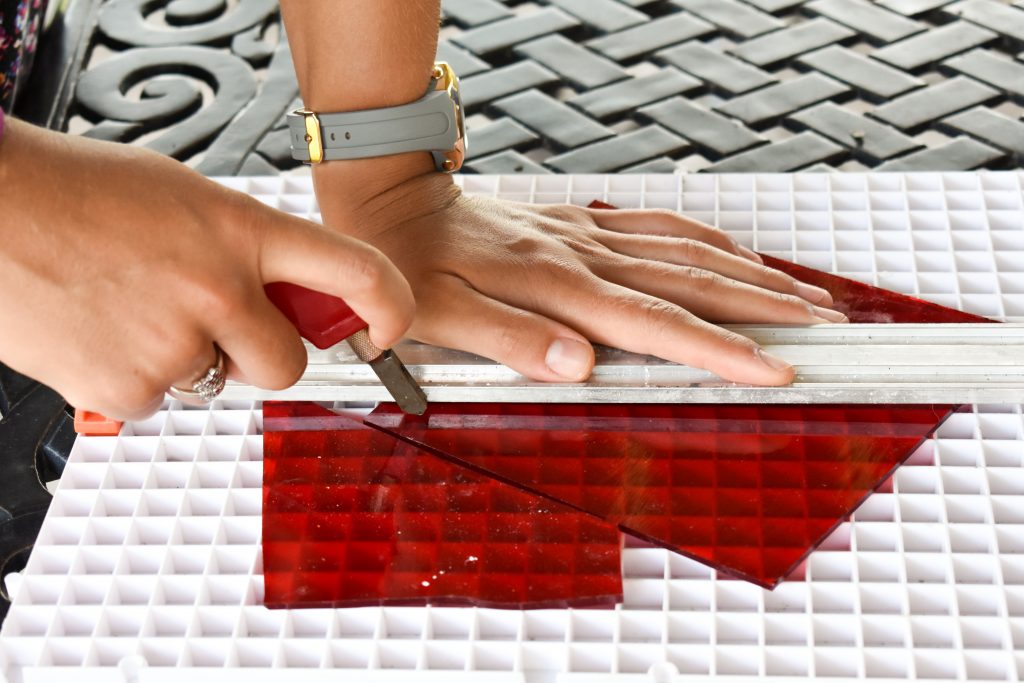
Q: Who/what is your inspiration?
A: I have always admired the stained glass in churches and cathedrals around the world. It is truly inspiring to think about the years it would take to create a detailed, full-window piece. I have always hoped to take a month off to create a simple custom-sized window once I own a house.
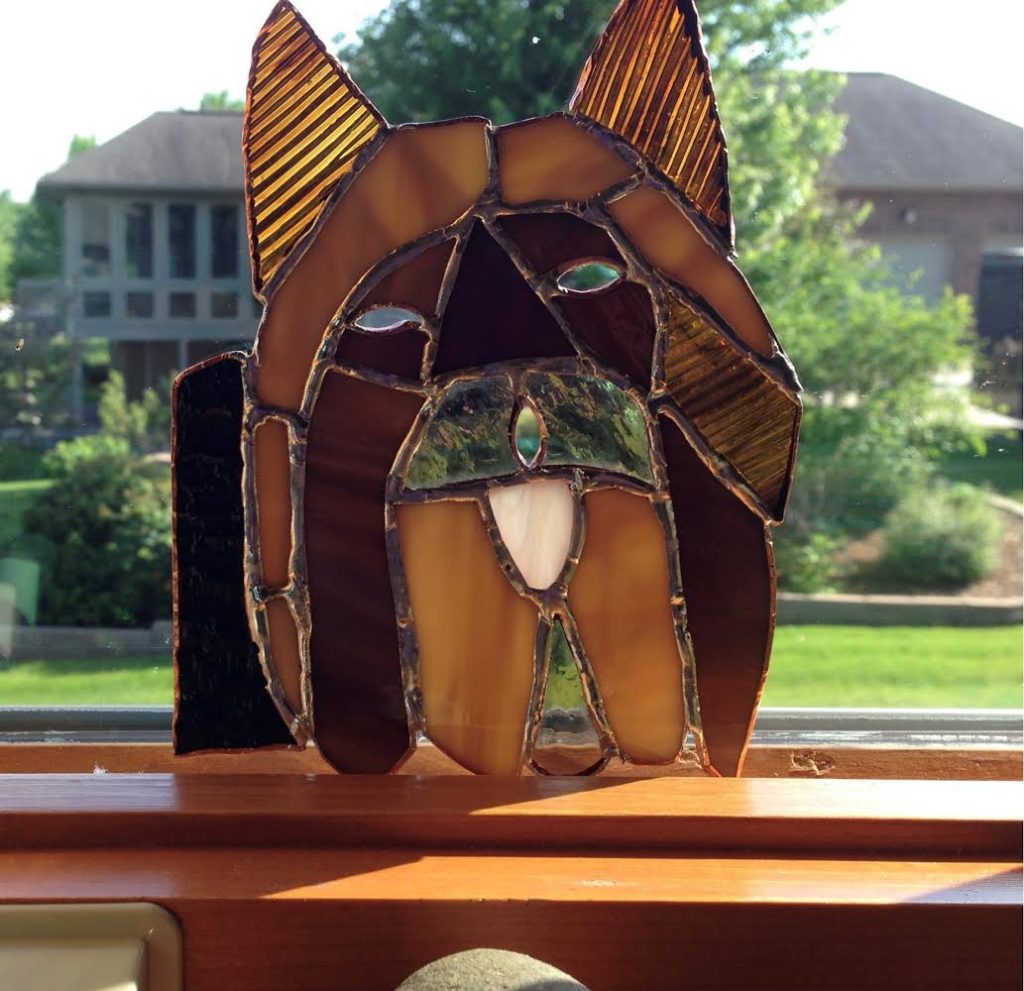
Q: What would you like people to know about your art?
A: I would like people to know how much time and effort I put into every piece I make. The whole process is like drawing a puzzle, then creating each piece, then putting the pieces together.
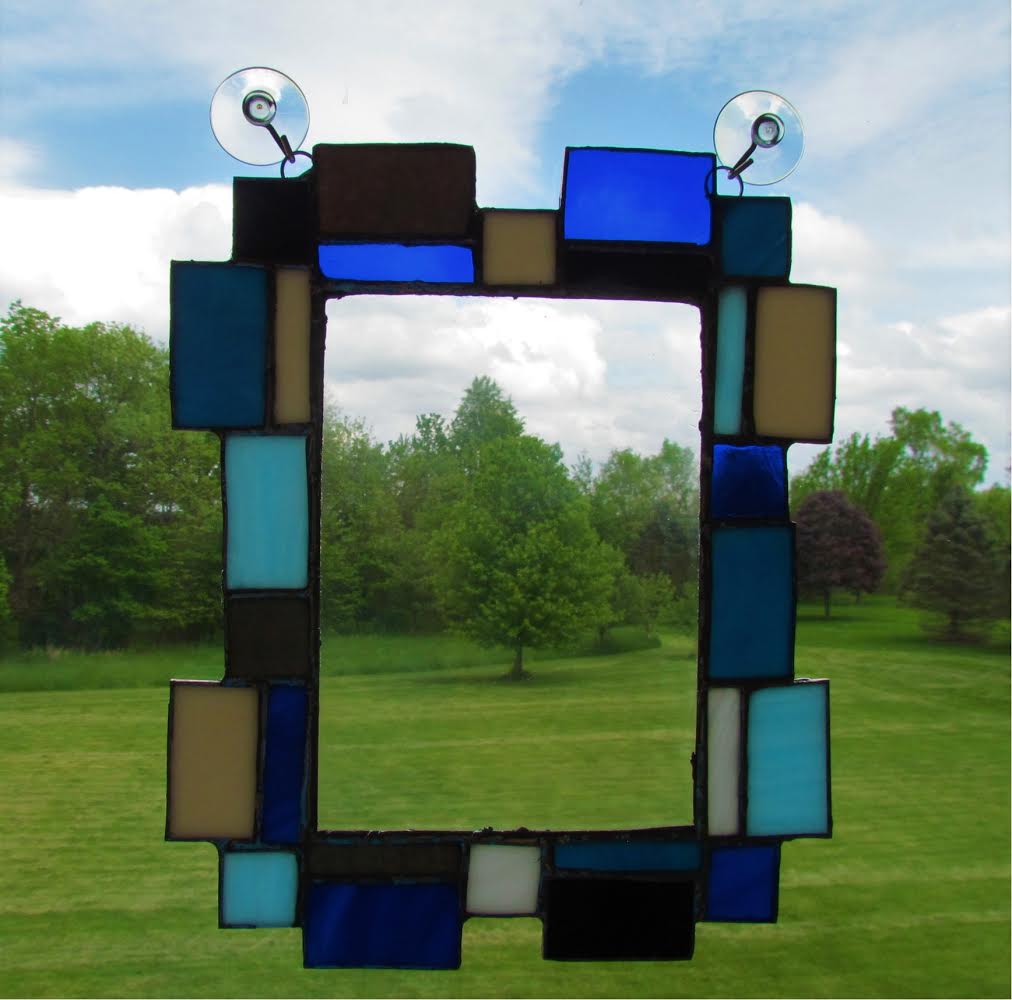
Q: Can you tell us about any intersections between your art and the health sciences?
A: My love for stained glass was actually the main reason I wanted to become a surgeon. Practicing this precise art for 10 years has helped me work on my skills in attention to detail and patience. I hope to transfer these skills to one of the most detailed procedural subspecialties, ophthalmology, and help improve people’s vision enough to truly appreciate the beauty in the world.
Q: How has creating your art changed you as a person?
A: I definitely have a greater appreciation of art, small businesses, and advertising. I learned a lot from running my own business, especially how stressful and frustrating it would be to depend on that business for my living. I also like to think that I translate the attention to detail from making stained glass into my studies. While learning, I try to focus on each detail of a disease or drug before looking at the concept as a whole. In this way, I’m better able to understand how everything fits together.
Abby Walling is a second year medical student at the University of Iowa Carver College of Medicine. These are some of her favorite pieces.

“Solid wood console table with cubbies on hairpin legs. Finished with Danish oil.” – Brooks Parvin
For the design of this table, my partner pointed at a photo online and said, “I want that.” From there, we worked out the dimensions that would fit her space and look well proportioned. I chose box joints because I like visible joints and they matched the minimalist style of the piece.
Building the piece, I used a hand plane to joint my boards for glue up and then to flatten the glued-up panels. A shooting board was used to square off the ends. I hand cut my box joints using a combination of coping saw, Japanese pull saw, and chisel. The center divider is held in place via dado joints.
Overall, it took me about seven months to complete the piece. The most difficult challenge was learning how to achieve a flat surface using a hand plane. Thankfully, there are several expert woodworkers who demonstrate techniques online. I finished this project just two days before I left California for my first term with the help of my partner in final sanding and finishing. Special thanks also go to my friends Sally and Jeremy who lent me their garage for this project.
Brooks Parvin is a 1st year Physician Assistant student at the University of Iowa.

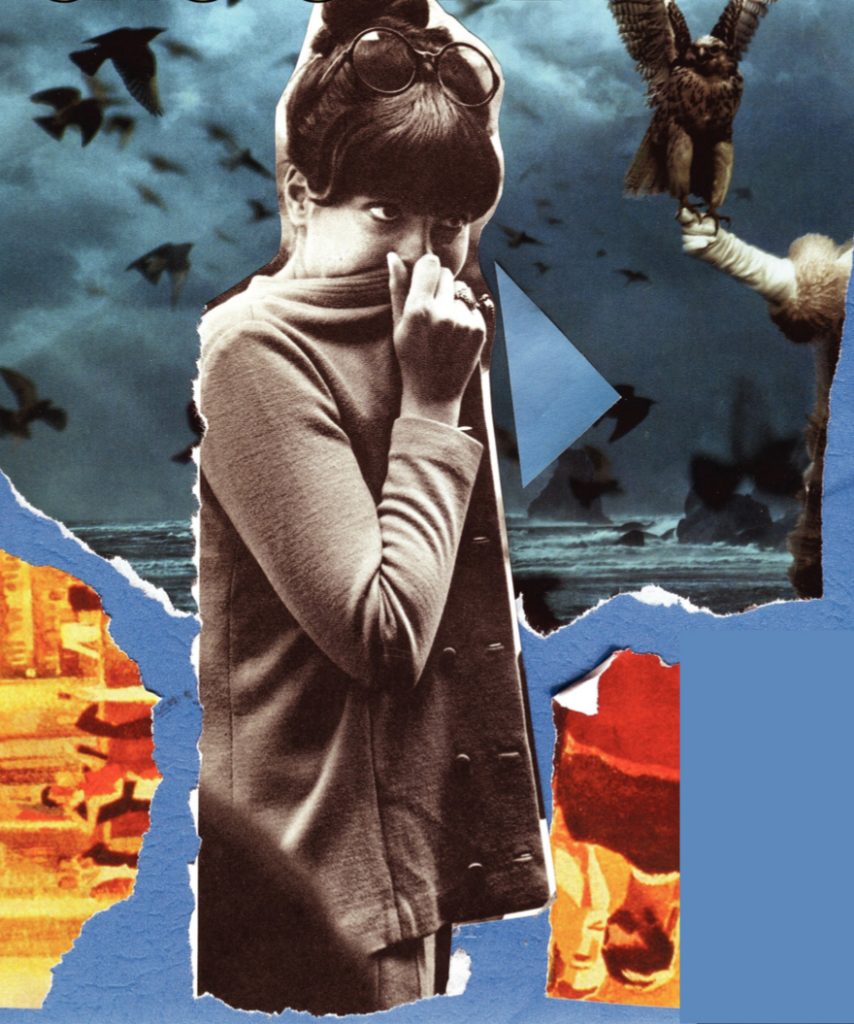
“I find it rather cathartic to collage. Making visual art allows me to express myself in ways that words never could.”
– Pombie Silverman, M2
Pombie is a second year medical student at the University of Iowa Carver College of Medicine. They use collage and mixed media as a way to destress and maintain creativity during school.

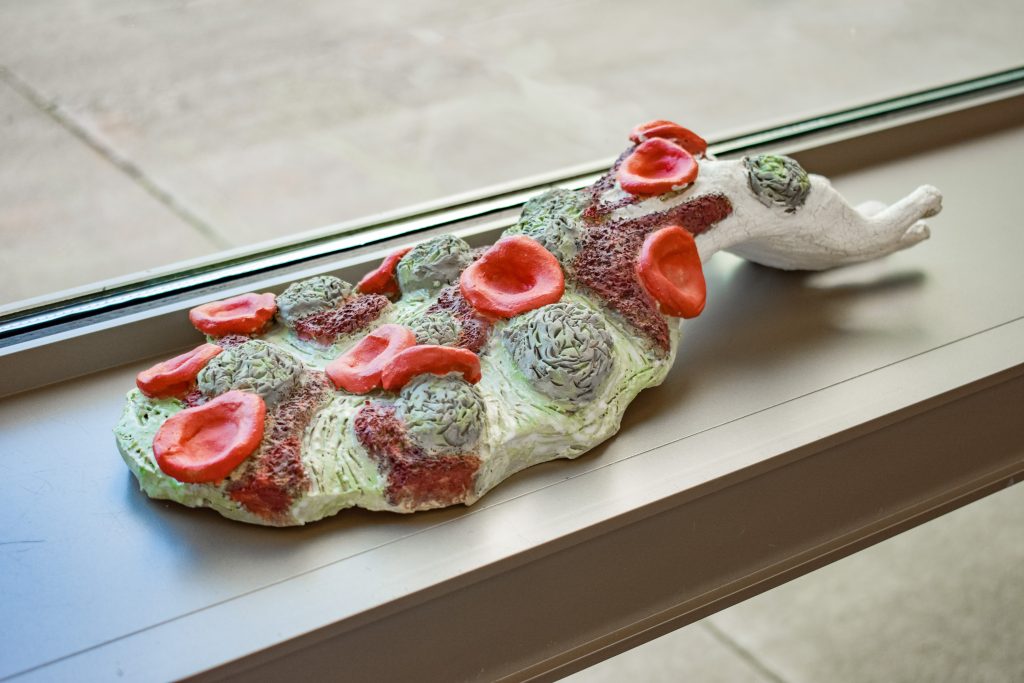
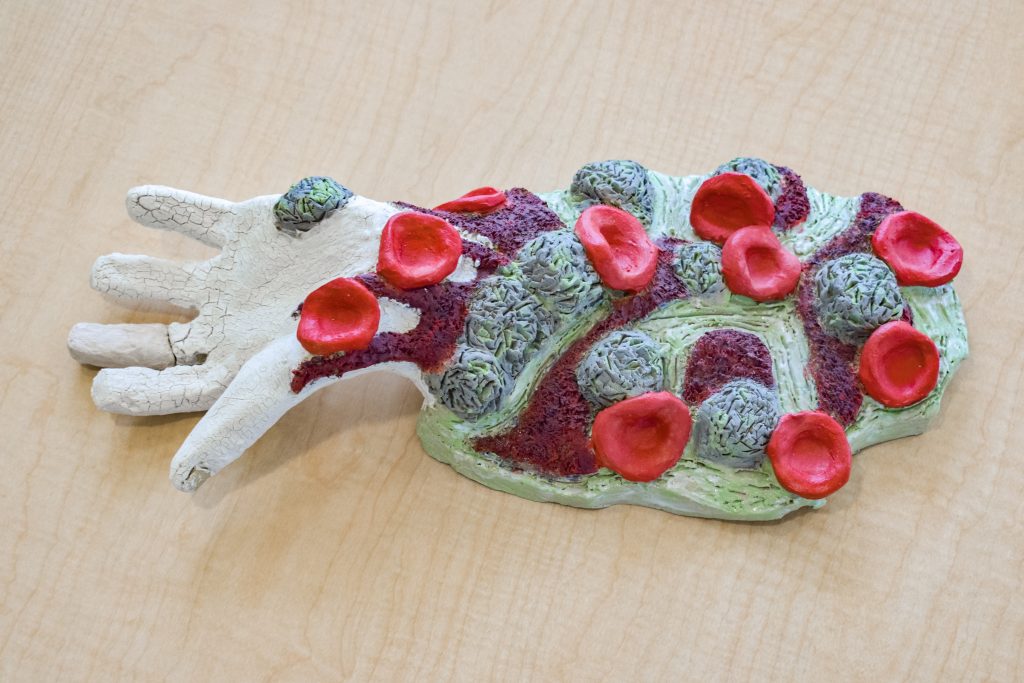
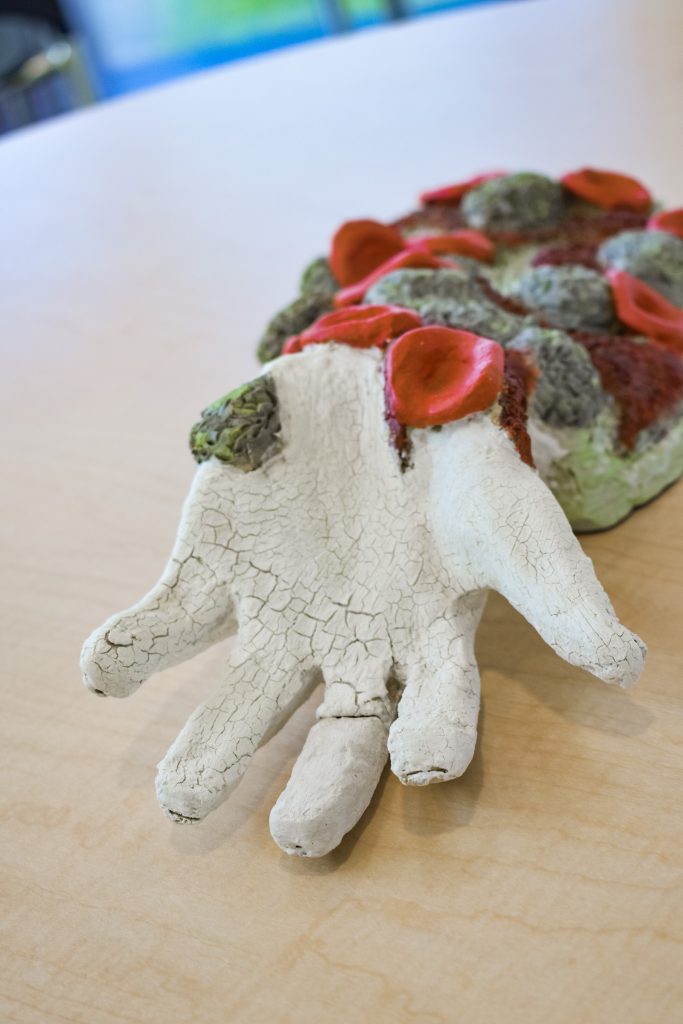
Sculpture by: Kenzie McKnight
Photographed by: Haley Steffen
“I made this ceramic sculpture a couple years ago during my senior year of college. It represents the extraordinary ability of the body to consistently fight off disease throughout our lives. It is insane to me to think about the sheer amount of ways the systems of the body can go awry, and yet how we only develop a tiny fraction of diseases in our lives. The hand in the sculpture looks as if it is reaching out, trying not to be consumed by disease. It is cracked from the constant day-to-day struggle. Eventually, whether it be by old age or through other disease processes, the body succumbs.”
— Kenzie McKnight, M2
Kenzie McKnight is an M2 at the Carver College of Medicine. She is originally from Indianola, IA and attended the University of Iowa for her undergraduate education, majoring in human physiology with a minor in Spanish and a minor in art. McKnight mostly creates 2D art including drawing, painting, and printmaking, but also creates ceramics. Her favorite art form is printmaking.